
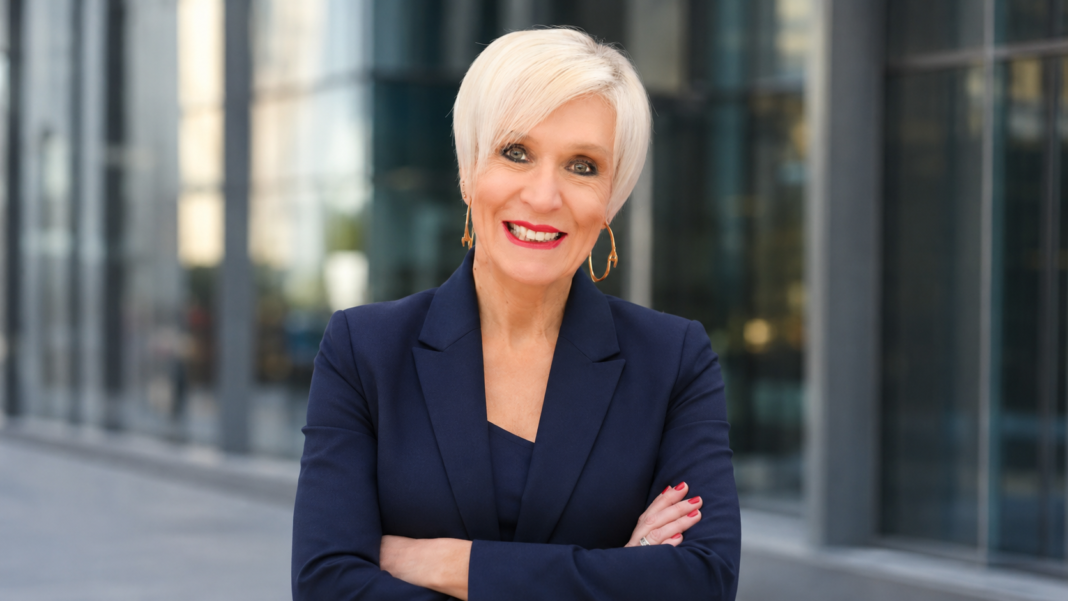

The topic of dawn neesom illness has gained attention online, with many people searching for clear and accurate information. Dawn Neesom is a well-known British journalist, and like many public figures, she often becomes the subject of rumors. However, not everything shared online is true or verified. This article explains what is actually known, what remains unclear, and how to understand such topics responsibly. We will focus only on publicly available and reliable details, helping readers avoid confusion and misinformation while staying informed in a simple and easy way.
Who is Dawn Neesom? A brief biography
| Category | Information |
|---|---|
| Full Name | Dawn Neesom |
| Date of Birth | 11 December 1964 |
| Age | 60+ (as of 2026) |
| Birth Place | Stratford, London, England |
| Nationality | British |
| Occupation | Journalist, Columnist, Broadcaster |
| Famous For | Former Editor of the Daily Star newspaper |
| Education | Valentines High School (Ilford, Essex) |
| Career Start | Worked for magazines and newspapers including Woman’s Own and The Sun |
| Major Role | Editor of Daily Star (2003–2018) |
| Current Work | Newspaper columnist & media commentator |
| TV/Radio Appearances | GB News, TalkRadio, Jeremy Vine Show, BBC, Sky News |
| Marital Status | Married to Mark Neesom (since 1986) |
| Known Interests | Football (West Ham United supporter), kickboxing |
| Personality Traits | Strong opinions on politics and media commentary |
What Is Known About Dawn Neesom Illness
There is no widely confirmed or officially reported medical condition linked to dawn neesom illness in credible public sources. Many online searches come from curiosity, not verified news. Public figures often face speculation about their health, especially when they stay out of the spotlight briefly. However, without confirmed statements, it is important to avoid assumptions. Reliable journalism depends on facts, not guesses. Therefore, readers should rely only on trustworthy updates from interviews or official appearances instead of rumors circulating on blogs or social media platforms that lack proper verification.
In many cases, the keyword dawn neesom illness appears in search trends due to public interest rather than real medical disclosures. People often search when they notice fewer media appearances or changes in routine. However, absence from media does not always mean illness. It could simply be personal choice, career shift, or private commitments. Understanding this helps prevent spreading misinformation. Responsible readers should always question the source and accuracy of claims. Clear, verified communication remains the best way to understand the real situation rather than relying on speculation. Read More : Royce Renee Woods: Biography, Family, Career & Life Story
Why People Search for Dawn Neesom Illness
Search trends show that people are naturally curious about public figures, especially journalists who appear regularly in media. The phrase dawn neesom illness often rises when audiences notice changes in visibility. Human curiosity plays a big role here. When someone familiar is less active, people start asking questions. This behavior is common across celebrities, politicians, and media personalities. However, curiosity should not replace facts. Searching for answers is normal, but believing unverified information can create confusion and spread false narratives that may harm reputations.
Another reason behind searches for dawn neesom illness is the influence of online algorithms. When a few users search or post about a topic, it quickly becomes more visible. This creates a cycle where more people begin searching the same term. As a result, the topic appears more important than it actually is. This is why understanding digital trends is important. Not every trending topic reflects reality. Readers should always separate genuine news from algorithm-driven popularity and rely on credible sources for accurate information.
Public Statements and Media Presence
As of now, there are no widely reported official statements confirming any specific dawn neesom illness. Public figures usually share important health updates through interviews or official channels. In the absence of such communication, it is best to assume that no confirmed issue has been disclosed. Respecting privacy is also essential. Not every personal matter needs to be public. This approach helps maintain ethical standards in journalism and protects individuals from unnecessary speculation about their private lives.
Dawn Neesom continues to be recognized for her work in journalism and media discussions. Her presence in interviews and commentary reflects ongoing professional engagement. This suggests that there is no clear public evidence supporting serious health concerns. When analyzing dawn neesom illness, it is important to focus on visible facts rather than assumptions. Observing credible appearances and contributions provides a more accurate understanding than relying on unverified online claims or rumors shared without proper sources.
The Impact of Rumors on Public Figures
Rumors about dawn neesom illness highlight a broader issue faced by public figures. False or unverified claims can spread quickly and affect both personal and professional life. Even when there is no truth, repeated discussion can create doubt among audiences. This is why responsible content creation is important. Writers and readers must prioritize accuracy and fairness. Spreading misinformation can damage trust and lead to unnecessary concern among followers who rely on accurate updates.
Additionally, constant speculation can create pressure on individuals to respond to claims that may not even be real. This takes attention away from their work and achievements. In the case of dawn neesom illness, focusing on verified facts helps maintain a balanced perspective. Respect for privacy and truth ensures that discussions remain ethical. Readers should avoid sharing unconfirmed news and instead support reliable reporting practices that promote accuracy and credibility in public conversations.
How to Verify Health Information Online
When searching for topics like dawn neesom illness, it is important to verify the information before accepting it as true. Start by checking trusted news websites, official interviews, or direct statements. Avoid relying on random blogs or social media posts that lack credible sources. Reliable information usually comes from established media organizations with a history of accurate reporting. This simple step helps prevent misunderstanding and ensures that readers stay informed with factual details rather than misleading content.
Another useful method is comparing multiple sources. If a claim appears only on one website, it may not be reliable. However, if several trusted platforms report the same information, it is more likely to be accurate. Readers can also explore related topics such as “media career updates” or “journalist public appearances” for context. This approach provides a clearer picture instead of focusing only on dawn neesom illness. Critical thinking plays a key role in understanding online information responsibly and avoiding false conclusions.
Understanding Privacy and Public Interest
The topic of dawn neesom illness raises important questions about privacy and public interest. While audiences are curious about public figures, personal health details remain private unless shared voluntarily. Respecting this boundary is essential for ethical discussion. Not everything needs to be public knowledge. Journalism should balance curiosity with respect. This ensures that individuals are not pressured to reveal personal matters simply because they are in the public eye.
At the same time, public interest should focus on professional contributions rather than private speculation. Dawn Neesom is known for her work in journalism, and that should remain the main focus. When discussing dawn neesom illness, readers should remember that absence of information does not mean confirmation of any issue. Respecting privacy builds trust and supports a healthier media environment where facts matter more than rumors or assumptions.
Related Topics Readers Often Explore
People searching for dawn neesom illness often explore related topics to understand more about her life and career. These may include her journalism background, media appearances, and professional achievements. Exploring these areas provides useful context and helps readers gain a broader understanding. Instead of focusing only on health rumors, readers can learn about her contributions to media and her role in shaping public discussions.
You may also find it helpful to read about “famous journalists’ careers,” “media personalities’ public life,” and “how news reporting works.” These topics offer valuable insights and shift the focus from speculation to knowledge. By expanding your reading, you get a clearer and more balanced perspective. This approach ensures that searches like dawn neesom illness lead to meaningful understanding rather than confusion or misinformation.
FAQ Section
1. Is there confirmed news about Dawn Neesom illness?
No, there is no widely confirmed or official information about any illness. Most discussions online are based on speculation rather than verified facts.
2. Why do people search for dawn neesom illness?
People often search due to curiosity or changes in media appearances. However, this does not confirm any real health issue.
3. Has Dawn Neesom spoken about her health publicly?
There are no widely known public statements confirming any illness. Without official updates, assumptions should be avoided.
4. Can online rumors about illness be trusted?
No, many online rumors are unverified. Always rely on trusted news sources for accurate information.
5. How can I verify such information?
Check multiple reliable sources, official interviews, and credible news platforms before believing or sharing any claim.
Conclusion
In summary, the topic of dawn neesom illness mainly comes from public curiosity rather than confirmed facts. There is no strong evidence supporting any specific health issue. Understanding this helps readers avoid misinformation and stay focused on reliable information. It is always better to rely on trusted sources and respect personal privacy. By doing so, we support accurate and ethical discussions. If you want to learn more, explore related topics about journalism and media careers. Staying informed with facts ensures a better understanding and prevents confusion in today’s fast-moving digital world.