
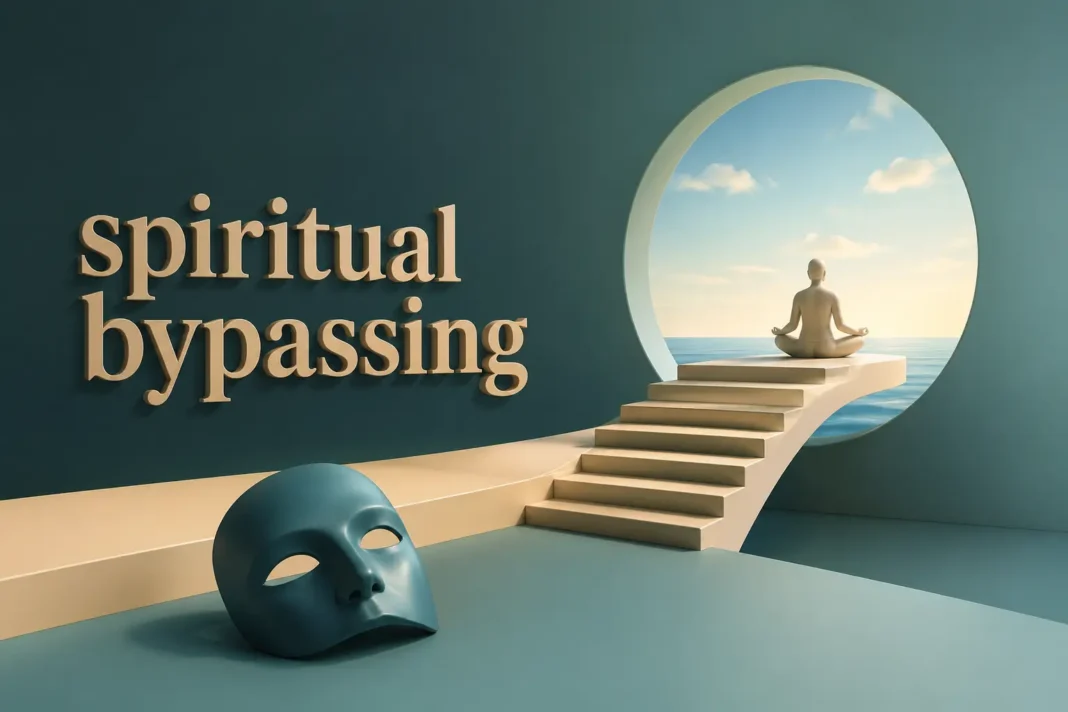

Many people turn to spirituality during difficult times to find comfort, purpose, and inner peace. Meditation, prayer, mindfulness, and positive thinking can all support emotional well-being when practiced in a balanced way. However, there is another side to spiritual practice that many people overlook. This is known as spiritual bypassing, a pattern where spiritual beliefs or practices are used to avoid painful emotions, unresolved trauma, or difficult life situations instead of dealing with them directly. Understanding spiritual bypassing can help you develop healthier emotional awareness while still enjoying the benefits of spiritual growth. Learning to balance emotional healing with spiritual wisdom creates stronger resilience, healthier relationships, and a more authentic connection with yourself.
What Is Spiritual Bypassing?
Spiritual bypassing is the tendency to use spirituality as a way to escape emotional pain rather than process it. Instead of facing grief, anger, fear, shame, or disappointment, a person may hide behind positive affirmations, religious beliefs, meditation, or ideas about forgiveness before genuine healing has taken place. The term was introduced by psychologist John Welwood to describe how spiritual practices can sometimes become emotional avoidance instead of emotional support. While spirituality itself is not harmful, using it to ignore personal struggles may delay real recovery and personal development.
A simple example is telling someone who recently lost a loved one that “everything happens for a reason” before allowing them space to grieve. Although the statement may be intended as comforting, it can unintentionally dismiss real emotional pain. Healthy spirituality encourages compassion, patience, and acceptance of human emotions instead of denying them. If you enjoy reading about emotional health, you can naturally connect this topic with related content about mindfulness techniques, emotional resilience, or healthy coping strategies to deepen your understanding. Read More : Signs He Is Protective of You: 12 Genuine Behaviors to Notice
Common Signs of Spiritual Bypassing
Recognizing spiritual bypassing can be challenging because many of its behaviors appear positive on the surface. Someone may constantly encourage gratitude, forgiveness, or optimism while secretly avoiding unresolved emotional wounds. They may believe negative emotions are signs of spiritual weakness or think they must always remain peaceful regardless of circumstances. Over time, these habits can create emotional distance rather than genuine healing because painful feelings continue to exist beneath the surface.
Other warning signs include avoiding difficult conversations, suppressing anger, refusing professional mental health support because “spirituality is enough,” or believing every painful experience should immediately become a positive lesson. People experiencing spiritual bypassing may also judge themselves for feeling anxious, depressed, or upset. Instead of accepting these emotions as natural human experiences, they may feel guilty for not being “spiritual enough.” Exploring emotional intelligence or self-awareness resources can complement spiritual practices and encourage more balanced personal growth.
Why People Experience Spiritual Bypassing
Many people do not intentionally practice spiritual bypassing. Instead, it often develops as a coping strategy during stressful periods. Emotional pain can feel overwhelming, and spirituality offers hope, meaning, and comfort. When someone discovers meditation, prayer, yoga, or inspirational teachings, they may naturally lean on these practices for relief. While this can be beneficial, problems arise when spirituality becomes a replacement for emotional processing instead of working alongside it.
Past trauma, childhood experiences, fear of vulnerability, and social expectations can also contribute to spiritual bypassing. Some communities unintentionally encourage constant positivity while discouraging honest emotional expression. Others may believe that expressing sadness shows weak faith or limited spiritual development. In reality, emotional honesty strengthens both psychological health and spiritual maturity. Accepting difficult emotions does not weaken spiritual beliefs—it often deepens them by encouraging compassion, humility, and authentic self-understanding.
Real-Life Examples of Spiritual Bypassing
Imagine someone loses their job after many years of employment. Instead of acknowledging disappointment, fear, or uncertainty, they immediately repeat positive affirmations and refuse to discuss their emotions. They insist they must stay positive because negative thinking attracts negative outcomes. While optimism has value, avoiding genuine emotional processing may increase stress over time and make practical problem-solving more difficult.
Another example involves relationship conflict. A person may forgive repeated harmful behavior immediately without setting healthy boundaries because they believe unconditional forgiveness is always spiritually superior. Healthy forgiveness does not require ignoring abuse, manipulation, or emotional harm. Real healing includes recognizing unhealthy patterns, protecting personal well-being, and learning from painful experiences. Reading related content about healthy boundaries, emotional communication, or relationship wellness can provide valuable guidance alongside spiritual teachings.
The Difference Between Healthy Spirituality and Spiritual Bypassing
Healthy spirituality welcomes the full range of human emotions while encouraging personal growth. It teaches that sadness, fear, anger, and grief are natural parts of life that deserve attention rather than judgment. Practices like meditation, prayer, gratitude, and mindfulness become tools for understanding emotions instead of escaping them. This balanced approach supports long-term emotional resilience and stronger mental well-being.
In contrast, spiritual bypassing often creates emotional suppression disguised as spiritual progress. People may avoid conflict, ignore trauma, or dismiss mental health concerns because they believe spirituality alone should solve every problem. Genuine healing usually involves both inner reflection and practical action. Therapy, supportive relationships, self-care, and spiritual practice can work together rather than competing with one another. This combination often produces healthier emotional recovery and more sustainable personal development.
How to Overcome Spiritual Bypassing
The first step toward overcoming spiritual bypassing is becoming aware of emotional avoidance. Notice whether you automatically replace uncomfortable emotions with spiritual explanations before fully experiencing them. Instead of judging yourself for feeling anxious or sad, practice observing your emotions with kindness and curiosity. Emotional awareness allows healing to begin because feelings are acknowledged rather than ignored or hidden beneath forced positivity.
Helpful practices include journaling, talking with trusted friends, seeking guidance from qualified mental health professionals when needed, and continuing meaningful spiritual activities in a balanced way. Meditation can become a tool for emotional observation instead of emotional escape. Therapy and spirituality often complement each other by addressing different aspects of healing. Exploring additional resources about trauma recovery, mindfulness, stress management, or emotional wellness can further strengthen your personal growth journey.
Why Emotional Healing and Spiritual Growth Work Best Together
True spiritual development is not about pretending life is always peaceful. Instead, it involves learning how to respond wisely to life’s challenges while accepting every part of the human experience. Emotional healing helps people understand their thoughts, behaviors, relationships, and past experiences. Spiritual wisdom then provides purpose, compassion, forgiveness, and hope without denying reality.
When emotional health and spirituality support one another, people often become more resilient, empathetic, and emotionally balanced. They learn that vulnerability is not weakness but an important step toward authentic healing. Rather than avoiding pain, they develop the confidence to face it with honesty, patience, and self-compassion. This balanced approach creates stronger relationships, healthier decision-making, and a deeper sense of inner peace that lasts beyond temporary positive thinking.
Frequently Asked Questions
1. What is spiritual bypassing in simple words?
Spiritual bypassing means using spiritual beliefs or practices to avoid dealing with painful emotions, personal problems, or unresolved trauma instead of facing and healing them in a healthy way.
2. Is spiritual bypassing harmful?
It can become harmful when it prevents emotional healing, delays seeking professional support, damages relationships, or encourages people to suppress their natural emotions for long periods.
3. Can someone practice spirituality without spiritual bypassing?
Yes. Healthy spirituality encourages emotional honesty, self-awareness, compassion, and personal responsibility while allowing people to experience and process difficult emotions naturally.
4. How do I know if I am spiritually bypassing?
If you regularly avoid sadness, anger, fear, grief, or conflict by immediately turning to spiritual explanations without processing your emotions, you may be experiencing spiritual bypassing.
5. Should therapy and spirituality be used together?
For many people, combining therapy with healthy spiritual practices creates a balanced approach to healing. Therapy addresses emotional challenges while spirituality offers meaning, hope, and personal growth.
Conclusion
Spiritual bypassing reminds us that genuine healing requires both emotional honesty and spiritual wisdom. Spiritual practices can bring comfort, resilience, and inner peace, but they should never replace the important work of acknowledging emotions, processing trauma, and building healthy relationships. By accepting every part of your emotional experience while continuing your spiritual journey, you create a stronger foundation for lasting well-being. Continue exploring related topics on mindfulness, emotional intelligence, self-care, and healthy relationships to support your personal growth and build a more balanced, authentic life.