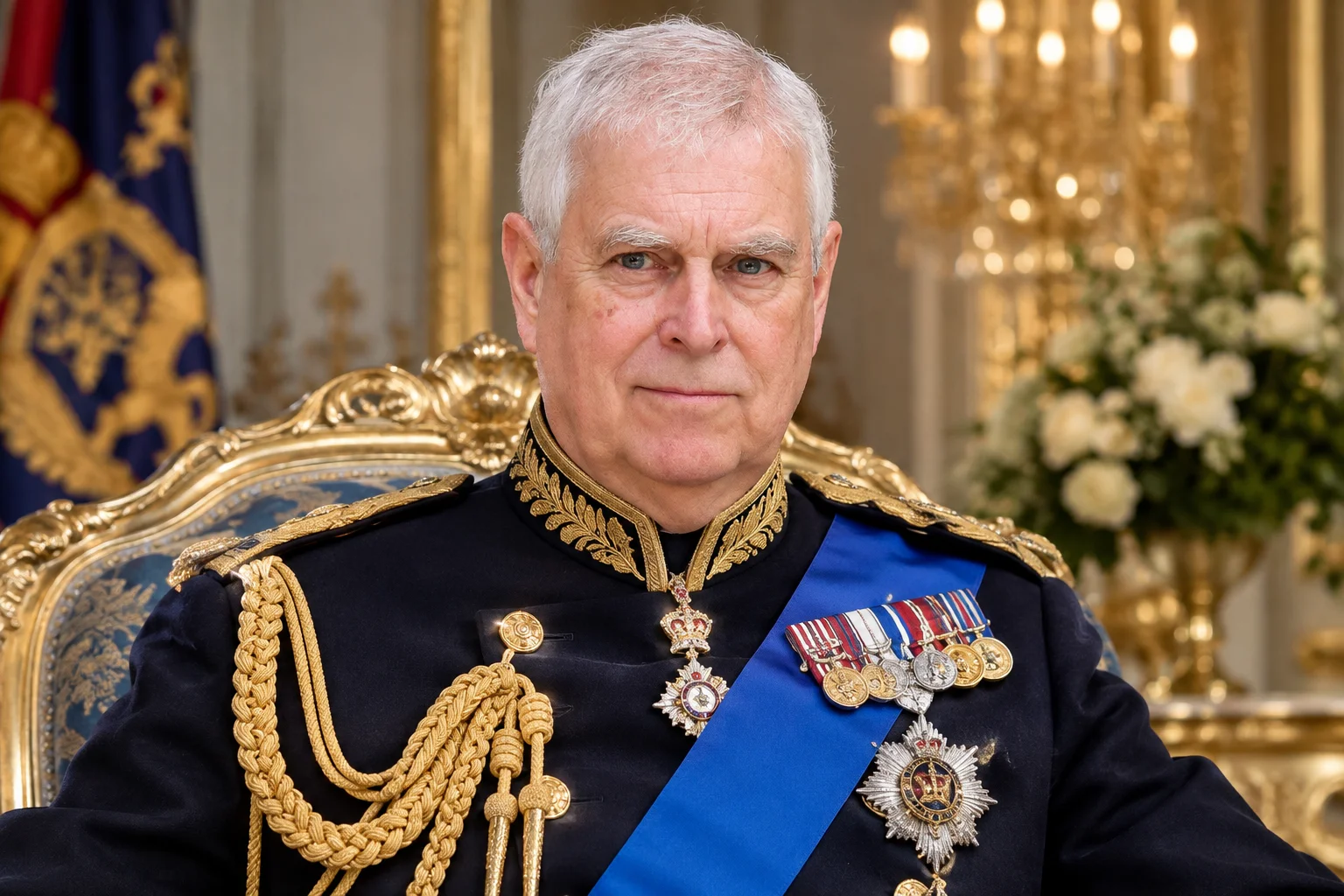
Prince Andrew news continues to attract attention because of his changing role within the British royal family. Many people want clear and reliable information instead of rumors. Recent updates often focus on his public appearances, family relationships, security arrangements, and royal responsibilities. Understanding these developments helps readers separate facts from speculation. News reports also examine how decisions involving Prince Andrew affect the monarchy and public opinion. Because stories can change quickly, it is important to rely on trusted sources and official statements whenever possible instead of social media discussions that may not provide complete or accurate information.
As public interest remains high, journalists continue covering every major event connected to Prince Andrew. Readers frequently search for updates after royal ceremonies, official announcements, or legal developments involving the royal family. At the same time, many people also want background information to better understand current headlines. This article explains recent developments, important historical context, public reactions, and possible future events. It also highlights why responsible reporting matters when discussing sensitive royal issues. For additional context, readers may also explore our British royal family history and Royal Family timeline guides.
Who is Prince Andrew? A brief biography
| Field | Information |
|---|---|
| Full Name | Andrew Albert Christian Edward Mountbatten-Windsor |
| Commonly Known As | Prince Andrew (formerly Duke of York) |
| Date of Birth | 19 February 1960 |
| Age | 66 (as of 2026) |
| Place of Birth | Buckingham Palace, London, England |
| Nationality | British |
| Parents | Queen Elizabeth II and Prince Philip, Duke of Edinburgh |
| Siblings | King Charles III, Princess Anne, Prince Edward |
| Education | Heatherdown School, Gordonstoun School, Lakefield College School (Canada), Britannia Royal Naval College |
| Profession | Former British royal, former Royal Navy officer, former UK Special Representative for International Trade and Investment |
| Military Service | Served in the Royal Navy (1979–2001); helicopter pilot; served in the Falklands War |
| Former Royal Title | Duke of York |
| Marital Status | Divorced |
| Former Spouse | Sarah Ferguson (married 1986–1996) |
| Children | Princess Beatrice, Princess Eugenie |
| Royal House | House of Windsor |
| Religion | Church of England |
| Known For | British royal family member, Royal Navy service, Falklands War participation, public duties, later legal controversies |
| Current Status | No longer a working royal; stepped back from public duties in 2019 and later relinquished royal titles and honors. |
Understanding Why Prince Andrew News Matters
Prince Andrew has remained a well-known public figure for decades because he was once an active working member of the British royal family. His military service, royal duties, charitable work, and family connections placed him in the public eye for many years. However, events during recent years changed how he is viewed by both the public and the media. As a result, many headlines now focus on his changing public role instead of traditional royal engagements or ceremonial responsibilities within the monarchy.
News about Prince Andrew also matters because it can influence wider conversations about the future of the monarchy. Every announcement involving senior royals often attracts global media attention, especially when it concerns royal titles, official appearances, or family relationships. Many readers want balanced reporting that explains events without unnecessary speculation. Trusted journalism helps people understand what has officially happened while avoiding unsupported claims. This careful approach allows readers to follow developments confidently and understand how each event fits into the broader royal picture. Read More : Toby Keith Death: Legacy, Career, and Lasting Impact
Recent Prince Andrew News and Public Updates
Recent Prince Andrew news has largely focused on his limited public appearances and his position within the royal family. Media coverage often reports whether he attends private family gatherings or major royal ceremonies. Every appearance usually receives significant attention because people compare it with previous royal events. However, official palace announcements generally remain limited, leaving many discussions based on confirmed observations instead of detailed public statements. This makes reliable reporting especially important for readers seeking factual information rather than speculation.
Another frequent topic involves ongoing discussions about Prince Andrew’s public profile. Commentators often examine whether future royal events may include him and how these decisions reflect broader royal planning. Although many opinions appear across television, newspapers, and social media, official confirmation remains the most dependable source. Readers should remember that many reports predict possible outcomes rather than confirmed decisions. Following trusted news organizations helps distinguish between verified developments and personal opinions shared by commentators or online discussions.
How Earlier Events Continue to Shape Coverage
Current reporting cannot be fully understood without considering earlier events that significantly changed Prince Andrew’s public role. Decisions made several years ago affected his official duties, public appearances, and involvement in royal activities. These developments continue influencing how journalists report new stories today. Whenever fresh headlines appear, many news organizations explain previous events to provide readers with useful background. This historical context helps audiences understand why today’s stories often receive such widespread international attention across television, newspapers, and digital platforms.
Many readers searching for Prince Andrew news also want simple explanations of the timeline behind recent developments. Looking at trusted historical reporting helps separate established facts from newer updates. Responsible journalism focuses on confirmed information while respecting ongoing privacy and legal standards. This balanced approach improves public understanding and reduces confusion caused by incomplete online discussions. Readers interested in broader royal history may also find value in our Modern British monarchy guide and Royal succession explained resources for additional context.
Media Coverage and Public Opinion
Media organizations around the world continue reporting on Prince Andrew because public interest remains consistently high. Different newspapers and broadcasters sometimes present stories with varying levels of detail or emphasis. Therefore, readers benefit from comparing several trusted sources before forming conclusions. Balanced journalism usually separates verified facts from opinion pieces, making it easier to understand the real situation. Careful reporting also explains what information has been officially confirmed while clearly identifying areas where questions remain unanswered or under discussion.
Public opinion has also evolved over time, influenced by media coverage, official announcements, and changing royal priorities. Some people focus on accountability and transparency, while others discuss the broader impact on the monarchy’s reputation. These different viewpoints often appear across television interviews, newspaper editorials, and online conversations. However, personal opinions should not replace verified reporting. Reliable news helps readers understand significant developments while avoiding misinformation that can spread quickly across social media platforms during major royal events.
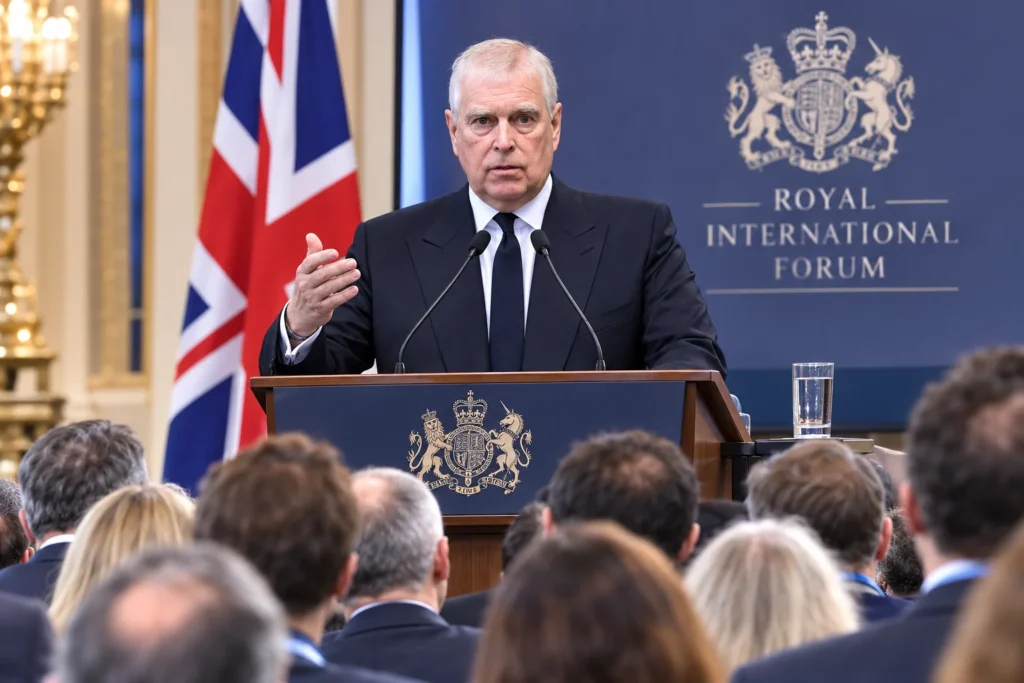
The Royal Family’s Broader Perspective
The British royal family continues carrying out numerous public duties throughout the year despite attention surrounding individual members. Official engagements, charity visits, state ceremonies, and international meetings remain central to the monarchy’s work. News involving Prince Andrew represents only one part of broader royal coverage. Understanding this wider context helps readers see how royal responsibilities continue even when media attention focuses heavily on a single family member or developing story attracting international headlines.
Royal institutions usually communicate important decisions through official announcements rather than responding to daily speculation. This communication style reflects longstanding royal traditions emphasizing careful and measured public statements. Consequently, many questions raised by commentators may remain unanswered until official confirmation becomes available. Readers should remember that silence does not necessarily indicate future outcomes. Waiting for verified information supports accurate understanding and prevents unnecessary confusion when new Prince Andrew news stories emerge across different news platforms.
What Readers Should Watch Next
Future Prince Andrew news will likely continue focusing on major royal events, official ceremonies, and any confirmed announcements involving his public role. Large occasions naturally attract increased media attention because journalists carefully observe attendance and public appearances. However, not every report signals significant change. Readers should evaluate headlines thoughtfully and consider whether information comes from official statements or independent reporting supported by reliable evidence before drawing conclusions about future developments.
Another important area to watch involves how news organizations present updates over time. Responsible journalism often revisits earlier reporting to provide context when new developments occur. This approach helps readers understand how individual events connect within a larger timeline. Staying informed through trusted reporting supports better understanding and reduces confusion created by misleading online content. Careful reading also encourages balanced discussions based on verified facts instead of assumptions about possible future decisions affecting the royal family.
How to Follow Prince Andrew News Responsibly
Following Prince Andrew news responsibly starts with choosing trusted news organizations known for accurate reporting and careful fact-checking. Official royal announcements also provide valuable confirmation when important developments occur. Readers should avoid sharing dramatic headlines before checking whether multiple reliable sources report the same information. This simple habit reduces misinformation and encourages thoughtful discussions. Reliable reporting often explains both confirmed facts and remaining uncertainties, helping readers gain a balanced understanding instead of reacting to incomplete stories.
It is also helpful to understand the difference between news reporting, expert analysis, and opinion articles. News reports focus on verified events, while opinion pieces express personal viewpoints. Both have value, but readers should recognize the distinction. Taking time to compare different reputable sources creates a more complete picture of ongoing developments. This careful approach supports informed decision-making and encourages respectful conversations about sensitive royal topics without relying on rumors or unsupported claims circulating online.
Frequently Asked Questions
1. Why is Prince Andrew frequently in the news?
Prince Andrew often appears in the news because of his changing role within the royal family, public appearances, and continuing public interest. Major royal events also increase media attention, leading to renewed discussion about his position and related developments.
2. Does Prince Andrew still perform official royal duties?
No. Prince Andrew no longer carries out official working royal duties. However, he may occasionally appear at certain private family events or significant royal occasions, depending on the circumstances.
3. Why do news reports about Prince Andrew vary?
Different media organizations may emphasize different aspects of the same event. Reading multiple trusted sources and checking official statements helps readers understand the complete picture without relying on speculation.
4. Where can readers find reliable Prince Andrew news?
Reliable updates usually come from established national and international news organizations, along with official announcements from the British royal household when appropriate. Verified reporting remains the best source for accurate information.
5. Why is historical context important when reading Prince Andrew news?
Understanding earlier events helps explain why current stories receive attention today. Historical background allows readers to understand present developments more clearly and recognize how past decisions continue influencing current reporting.
Conclusion
Prince Andrew news remains an important topic because it combines royal history, public interest, and ongoing developments within the British monarchy. Readers benefit most from following trusted reporting, official announcements, and balanced analysis instead of relying on speculation. Understanding the background behind current headlines also provides valuable context for interpreting future updates. As events continue evolving, careful reading and fact-based discussion remain essential. For deeper insight into royal affairs, consider exploring our Royal Family timeline, British monarchy history, and Guide to royal titles to build a broader understanding of the monarchy and its continuing public role.