
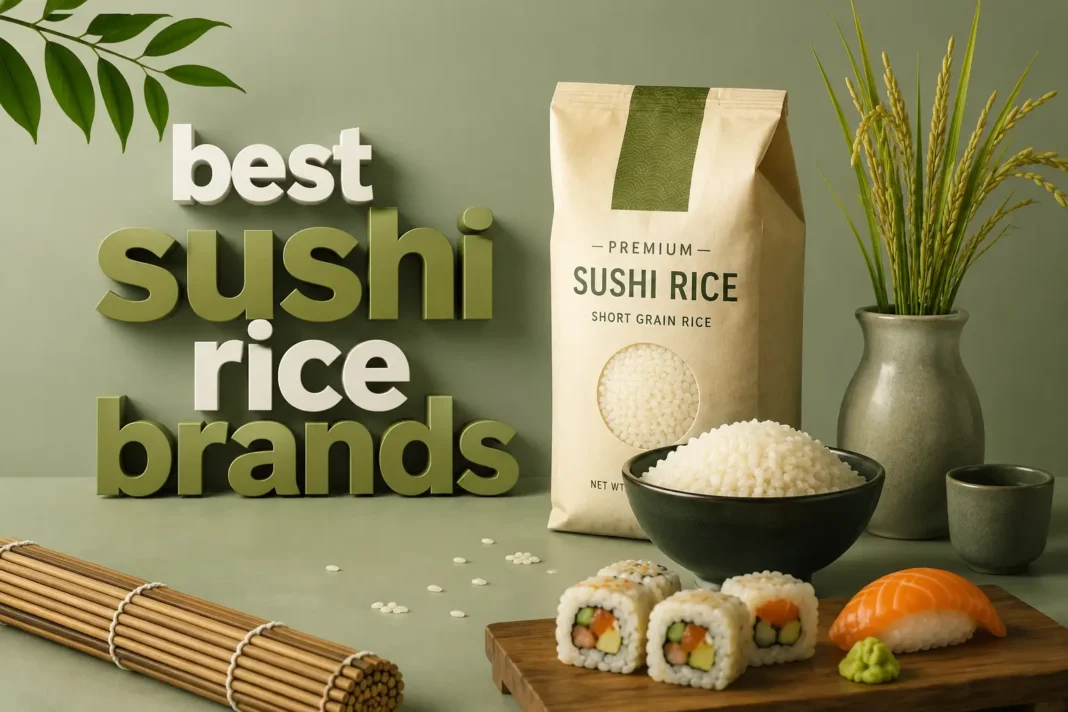

Choosing the best sushi rice brands is the foundation of making authentic, restaurant-quality sushi at home. Whether you are preparing simple maki rolls or advanced nigiri, the quality of rice directly affects taste, texture, and overall experience. Many beginners focus on fish or fillings, but experienced chefs know that rice is the real star of sushi preparation.
The best sushi rice brands offer short-grain rice that becomes sticky, tender, and slightly glossy after cooking. This unique texture helps the rice hold shape while still melting softly in your mouth. In this guide, you will learn what makes sushi rice special, how to choose the right brand, and practical tips to improve your sushi-making skills at home.
What Makes Sushi Rice Special
Sushi rice is different from regular rice because of its short-grain structure and high starch content. When cooked properly, it becomes sticky enough to hold together without turning mushy. This balance is what makes sushi rolls and nigiri stable and enjoyable to eat. The best sushi rice brands are carefully processed to maintain consistent grain size and quality.
Another important feature is its ability to absorb seasoning. Sushi rice is typically mixed with rice vinegar, sugar, and salt, which gives it a slightly tangy and sweet flavor. High-quality rice absorbs this mixture evenly, enhancing every bite. When people search for the best sushi rice brands, they are often looking for rice that delivers both texture and flavor harmony. Read More : Muichiro: Complete Guide to the Mist Hashira
Top Factors When Choosing Sushi Rice Brands
When selecting the best sushi rice brands, the first factor to consider is grain quality. Short-grain Japanese-style rice is the most suitable because it naturally becomes sticky when cooked. Medium or long-grain rice does not provide the same texture and often falls apart in sushi preparation. Another important factor is freshness. Older rice tends to lose moisture and flavor, resulting in dry or uneven cooking.
Packaging date and storage conditions matter more than many beginners realize. Trusted best sushi rice brands usually provide vacuum-sealed packaging to preserve freshness and aroma. Finally, consistency is key. Reliable brands ensure that each batch cooks the same way, making it easier for home cooks to achieve predictable results every time.
Best Sushi Rice Brands for Home Cooking
Some of the best sushi rice brands available for home cooking include well-known Japanese and international options that are widely trusted by chefs. These brands are appreciated for their texture, aroma, and reliability in sushi preparation. One major advantage of top brands is their ability to produce consistent stickiness without becoming overly soft. This balance is essential for beginners who want to improve their sushi-making skills.
Many professional kitchens rely on these best sushi rice brands because they reduce cooking guesswork and improve overall presentation. Another reason these brands stand out is availability. Many are now accessible in supermarkets and online stores, making it easier for home cooks to experiment with authentic sushi recipes without difficulty.
Texture and Flavor Differences Across Brands
Different best sushi rice brands can produce noticeable differences in texture. Some brands create a softer, more delicate grain, while others result in slightly firmer rice that holds shape better for rolls. These variations allow cooks to choose based on personal preference and sushi style.
Flavor is another important factor. While sushi rice is mildly flavored, high-quality brands have a subtle natural sweetness that enhances seasoning. Lower-quality rice may taste flat or uneven after seasoning. Understanding these differences helps users select the best sushi rice brands for their specific needs and recipes. With experience, cooks often develop preferences for certain brands because of how they respond during cooking, mixing, and shaping.
How to Cook Sushi Rice Perfectly
Cooking rice properly is just as important as choosing the best sushi rice brands. The first step is rinsing the rice thoroughly to remove excess starch. This ensures a clean texture and prevents stickiness from becoming too heavy or gummy.
After cooking, seasoning plays a major role. A balanced mixture of vinegar, sugar, and salt should be gently folded into the rice while it is still warm. This helps the rice absorb flavor evenly. Even the best sushi rice brands will not perform well if this step is done incorrectly. Finally, cooling the rice properly is essential. It should be kept at room temperature and covered with a damp cloth to maintain moisture and texture before sushi preparation.
Common Mistakes When Buying Sushi Rice Brands
One common mistake when choosing the best sushi rice brands is assuming all short-grain rice is the same. In reality, quality varies significantly depending on origin, processing, and storage methods. Buying cheap or unverified brands often leads to inconsistent results.
Another mistake is ignoring packaging information. Many people overlook harvest dates, which directly affect freshness. Even the best sushi rice brands lose quality if stored improperly or kept too long on shelves. Lastly, beginners often buy large quantities without testing a small pack first. This can lead to disappointment if the texture or flavor does not match expectations. Testing different brands helps identify the most suitable option.
Expert Tips for Choosing the Best Sushi Rice Brands
Experts recommend focusing on authenticity when selecting the best sushi rice brands. Japanese-origin rice is often preferred because it is cultivated specifically for sushi preparation and maintains ideal starch levels. Another useful tip is to experiment with a few trusted brands before committing to one.
Each brand reacts differently to water ratios and cooking methods, so small trials can help refine your technique and improve results over time. Finally, always store rice in a cool, dry place to preserve quality. Even the best sushi rice brands can lose their texture if exposed to moisture or heat for long periods.
FAQ
1. What is the best type of rice for sushi?
Short-grain Japanese rice is considered the best because it becomes sticky and holds shape well after cooking.
2. Are premium sushi rice brands worth it?
Yes, premium options often provide better texture, flavor, and consistency, which improves overall sushi quality.
3. Can regular rice be used instead of sushi rice?
Regular rice is not recommended because it lacks the sticky texture needed for authentic sushi preparation.
4. How do I store sushi rice properly?
Store it in an airtight container in a cool, dry place to maintain freshness and quality.
5. Why is rinsing sushi rice important?
Rinsing removes excess starch, ensuring a cleaner texture and preventing overly sticky or gummy rice.
Conclusion
Selecting the best sushi rice brands is essential for creating authentic and delicious sushi at home. From texture and flavor to cooking performance, the right rice makes a significant difference in every bite.
By understanding how to choose, cook, and evaluate different brands, you can consistently improve your sushi-making results. Start experimenting with trusted options and refine your technique to enjoy restaurant-quality sushi in your own kitchen.