


Gabriel Boric is one of the most recognized political leaders in South America. He became the President of Chile after building his reputation through student activism and public service. Many people search for information about his background, leadership style, and political vision because of his influence on modern Chilean politics. His career reflects the changing expectations of younger voters who wanted new ideas and different leadership. From leading student movements to serving in the national government, Boric has become an important figure in Chile’s recent history. His presidency continues to attract global attention from citizens, researchers, and political observers.
Who is Gabriel Boric? A brief biography
| Field | Information |
|---|---|
| Full Name | Gabriel Boric Font |
| Known As | Gabriel Boric |
| Date of Birth | February 11, 1986 |
| Age | 40 years (as of 2026) |
| Birthplace | Punta Arenas, Chile |
| Nationality | Chilean |
| Profession | Politician |
| Famous For | Serving as the 37th President of Chile (2022–2026) |
| Political Party | Broad Front (Frente Amplio) |
| Education | Studied Law at the University of Chile (did not complete the degree) |
| Parents | Luis Javier Boric Scarpa and María Soledad Font Aguilera |
| Partner | Paula Carrasco |
| Children | One daughter |
| Years Active | 2011–Present |
Who Is Gabriel Boric?
Gabriel Boric is a Chilean politician who serves as the President of Chile. Before becoming president, he worked as a member of the Chilean Chamber of Deputies, representing the Magallanes region. His political journey began during his university years when he became active in student organizations that supported education reforms and social change. Over time, his leadership skills and public speaking helped him gain national recognition. His campaign focused on improving social equality, strengthening public services, and creating opportunities for more citizens while encouraging democratic participation throughout the country.
His rise to national leadership reflects the growing role of younger politicians in Chile. Boric became one of the country’s youngest presidents, bringing a different perspective to government. His leadership style emphasizes dialogue, cooperation, and public engagement. Supporters appreciate his willingness to discuss difficult issues openly, while critics often debate his policies and decisions. Readers interested in learning more about Chile’s government may also enjoy exploring Chile’s political history and South American leaders to better understand the country’s political development. Read More : Druski: Career, Comedy, Success, and Online Influence
Early Life and Education
Gabriel Boric was born in Punta Arenas, Chile, where he spent his childhood and developed an interest in public affairs. Growing up in southern Chile gave him experiences that shaped his understanding of regional challenges and community life. He later attended university to study law, although he became widely known through student leadership instead of completing a legal career. During these years, he participated in public discussions about education, equality, and social reforms. His involvement in student organizations introduced him to national politics and expanded his influence across Chile.
University activism became an important turning point in Boric’s career. He served in leadership roles that represented student interests during nationwide education protests. These experiences helped him build communication skills, negotiate with officials, and understand the concerns of young people. Many citizens first learned about him through these public demonstrations. His ability to organize peaceful movements and express clear policy ideas earned respect from many supporters. Those interested in leadership development may also find value in reading student movement history and public leadership journeys for additional context.
Gabriel Boric’s Political Career
After gaining recognition through student activism, Gabriel Boric entered national politics by running for the Chamber of Deputies. His campaign emphasized independent thinking, transparency, and stronger public representation. Winning a parliamentary seat allowed him to work on national legislation while continuing to advocate for education, labor rights, and social reforms. During his time in Congress, he collaborated with different political groups on several important issues. These experiences strengthened his public profile and prepared him for future leadership responsibilities within Chile’s political system.
His growing popularity eventually led to a successful presidential campaign. Boric presented himself as a leader focused on reducing inequality, improving public institutions, and strengthening democratic participation. His campaign attracted support from many younger voters while also reaching citizens seeking political change. Winning the presidency marked a significant moment in Chilean politics because it reflected changing public priorities. Since taking office, he has continued working on policies related to economic development, environmental protection, healthcare, and education while addressing national and international challenges.
Presidency and Key Policies
As President of Chile, Gabriel Boric has focused on several major policy areas. His administration has supported improvements in healthcare, education, environmental protection, workers’ rights, and social welfare. These priorities aim to strengthen public services while encouraging sustainable economic growth. Government reforms often require cooperation with lawmakers, making negotiation an important part of the political process. Many of his proposals have generated active public discussion because they affect different groups throughout Chile. These debates remain an important feature of democratic decision-making.
Economic policy has also remained a major focus during Boric’s presidency. Like many world leaders, he has faced challenges involving inflation, global economic uncertainty, and public expectations. His government has worked to balance economic stability with social investment and responsible public spending. Supporters believe these efforts can improve long-term development, while critics question certain approaches and implementation strategies. Regardless of differing opinions, Boric’s presidency continues to influence national conversations about Chile’s future direction and economic priorities.
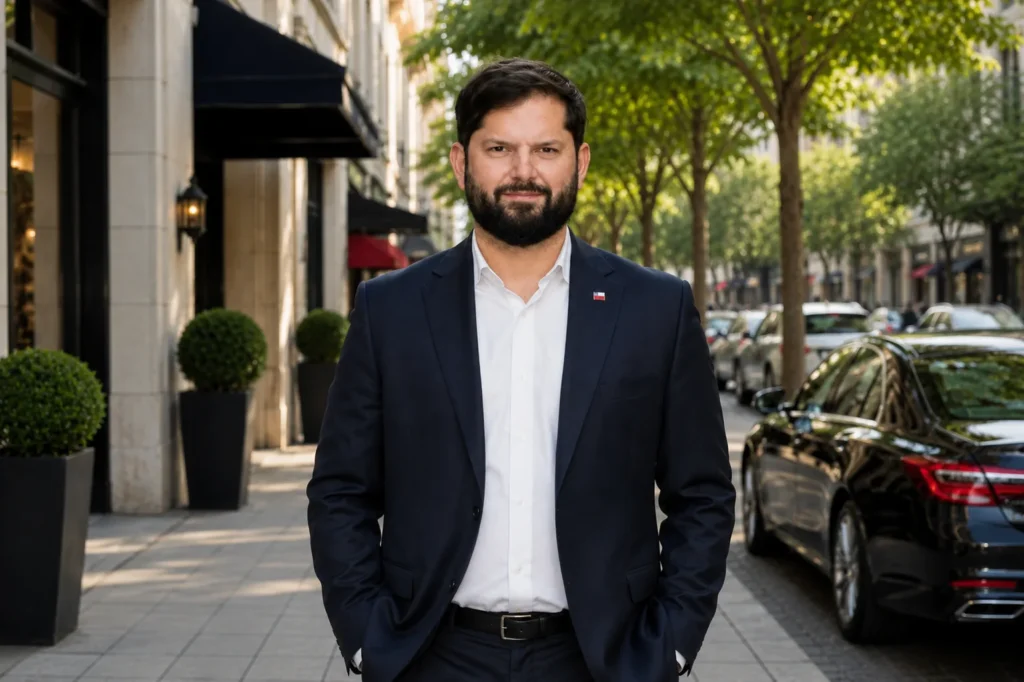
Leadership Style and Public Image
Gabriel Boric is often described as a leader who values open communication and citizen participation. He regularly discusses national issues with the public while encouraging respectful political dialogue. His leadership style reflects his background in student activism, where listening to different perspectives was an important part of decision-making. Many supporters appreciate his approachable personality and willingness to explain government policies in simple language. This communication style has helped him remain connected with many citizens despite the challenges of leading a modern nation.
Public opinion about Boric continues to evolve as his presidency progresses. Like many democratic leaders, he receives both praise and criticism depending on political viewpoints and policy outcomes. Supporters often highlight his commitment to social reform and environmental responsibility. Critics may question specific government decisions or economic strategies. These differing opinions are common in democratic societies and contribute to public debate. His ability to respond to changing circumstances remains an important part of his leadership experience.
Gabriel Boric and International Relations
Gabriel Boric has represented Chile in meetings with world leaders and international organizations. His government supports cooperation on trade, environmental protection, human rights, and regional partnerships. International diplomacy allows Chile to strengthen relationships with neighboring countries while participating in discussions about global challenges. Boric has emphasized the importance of peaceful cooperation and respect for democratic values during many international events. These efforts help maintain Chile’s role within the global community while supporting long-term national interests.
Foreign policy also includes strengthening economic partnerships and encouraging sustainable development across international markets. Chile’s economy depends on global trade, making international cooperation important for continued growth. Boric’s administration works with different countries on shared priorities while protecting Chile’s national interests. Diplomatic relationships require careful negotiation because international issues often involve complex political and economic factors. His participation in global discussions demonstrates the importance of cooperation between nations in today’s interconnected world.
Legacy and Future Outlook
Gabriel Boric’s long-term legacy will depend on how his policies shape Chile over time. Political leadership is often evaluated through lasting improvements in education, healthcare, economic development, and democratic institutions. His presidency represents a new generation of political leadership that emerged from civic participation and public activism. Whether supporters or critics assess his performance, his influence on Chile’s political landscape is already significant. Future historians will likely study his presidency as an important period of political transition and public debate.
Looking ahead, Boric continues facing opportunities and challenges that will shape his administration. Economic conditions, legislative cooperation, and public expectations will influence future decisions and reforms. Citizens remain interested in how his policies affect daily life, national development, and Chile’s international reputation. His leadership journey demonstrates how democratic systems allow new voices to participate in government while encouraging ongoing public discussion. His presidency will continue attracting attention from people interested in politics, leadership, and South American affairs.
Frequently Asked Questions
1. Who is Gabriel Boric?
Gabriel Boric is the President of Chile and a former student leader. He entered politics after becoming active in education reform movements and later served in the Chilean Chamber of Deputies before winning the presidency.
2. How did Gabriel Boric become famous?
He became nationally known through student activism, especially during education reform protests. His leadership in those movements helped launch his political career and eventually led to his election as President of Chile.
3. What are Gabriel Boric’s main policy priorities?
His administration focuses on education, healthcare, environmental protection, social welfare, labor rights, and sustainable economic development while promoting democratic participation and institutional reforms.
4. When did Gabriel Boric become President of Chile?
Gabriel Boric assumed office as President of Chile in 2022 after winning the country’s presidential election and becoming one of the youngest leaders in Chilean history.
5. Why is Gabriel Boric important?
Gabriel Boric represents a new generation of Chilean political leadership. His presidency reflects changing political priorities, increased youth participation, and continued discussions about social and economic reforms.
Conclusion
Gabriel Boric has become one of Chile’s most influential modern political leaders through years of public service, student activism, and democratic participation. His presidency focuses on social reform, economic development, environmental responsibility, and strengthening public institutions. While opinions about his policies differ, his leadership continues shaping important national conversations. Understanding his career offers valuable insight into Chile’s political system and recent history. If you want to learn more, explore our guides on Chile’s political history, world political leaders, and South American government systems for deeper knowledge and broader context.