
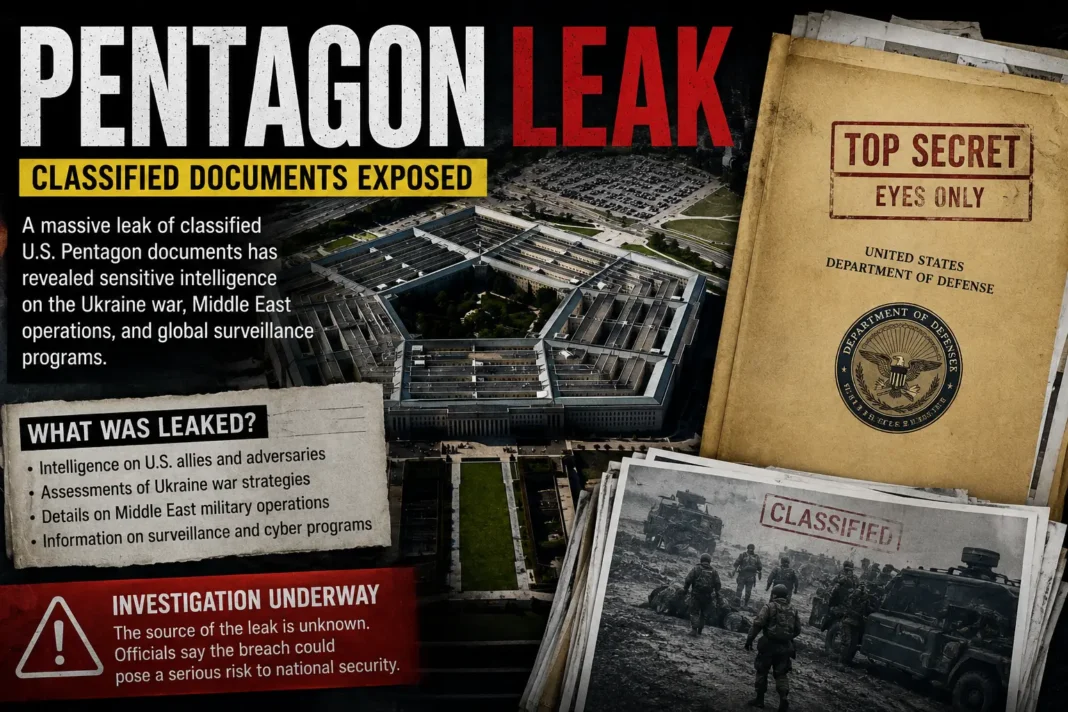

Pentagon leak is a term used when classified or sensitive information connected to the U.S. Department of Defense becomes publicly available without authorization. These incidents often receive worldwide attention because they may involve military operations, intelligence reports, or national security planning. Many people search for clear information about what a Pentagon leak means, why it happens, and how officials respond. Understanding these events helps readers separate facts from rumors while learning how governments protect confidential information. This guide explains the topic in simple language, focusing on verified facts, security procedures, investigations, and the broader impact on public trust.
What Is a Pentagon Leak?
A Pentagon leak occurs when confidential or classified information from the U.S. Department of Defense is disclosed without official approval. The information may include military documents, intelligence assessments, planning materials, or internal communications. Not every leaked document contains the same level of sensitivity, but unauthorized disclosure can create serious concerns. Government agencies classify information to protect national security, military personnel, and ongoing operations. When protected material becomes public, officials must evaluate what information was exposed, who may have accessed it, and whether security procedures need improvement.
People sometimes confuse a Pentagon leak with routine government announcements or officially released reports. However, there is an important difference between authorized public information and classified material disclosed without permission. Official announcements are reviewed before publication, while leaks bypass established security procedures. News organizations often report on leaked documents only after verifying their authenticity and considering public interest. Understanding this distinction helps readers evaluate headlines more carefully and recognize why unauthorized disclosures receive significant attention from government agencies, lawmakers, and international observers. Read More :
Why Pentagon Leaks Receive Global Attention
Pentagon leaks attract worldwide interest because the Department of Defense plays a central role in U.S. military planning and international security. Information connected to defense operations can affect allies, military personnel, diplomatic relationships, and strategic decisions. Even limited disclosures may influence how governments respond to security challenges. Because of these possible consequences, officials carefully review every reported leak to determine its significance. News coverage often expands quickly as experts analyze what the disclosed information may reveal about defense policies or military planning.
International attention also increases because many countries cooperate with the United States on defense and intelligence matters. Partners rely on secure communication and protected information when working together on shared security goals. If confidential documents become public, governments may review existing security measures or communication procedures. These discussions usually focus on protecting future operations rather than simply responding to headlines. Understanding the broader international context helps readers appreciate why Pentagon leaks become major global news stories rather than remaining domestic government issues.
Common Causes of a Pentagon Leak
There is no single reason why a Pentagon leak occurs. Some incidents result from individuals intentionally sharing classified material without authorization. Others may involve mistakes, including improper document handling, unsecured digital systems, or accidental disclosure. Governments invest significant resources in cybersecurity, employee training, and document protection to reduce these risks. Even with strong safeguards, human error and evolving technology continue creating challenges for organizations responsible for protecting sensitive information. Each incident receives careful review to determine exactly how the disclosure occurred.
Technology has also changed how classified information is stored, shared, and protected. Digital communication allows authorized personnel to access important documents more efficiently, but it also requires stronger cybersecurity protections. Security experts continually update systems to defend against cyber threats, unauthorized access, and data theft. At the same time, employees receive ongoing guidance about handling confidential materials responsibly. These combined efforts help reduce the likelihood of future leaks while strengthening the overall protection of sensitive government information.
National Security and Defense Implications
A Pentagon leak can create national security concerns because sensitive information may reveal military capabilities, planning methods, or intelligence assessments. Depending on the nature of the disclosure, officials may need to adjust operational plans, strengthen security procedures, or notify international partners. Protecting classified information supports the safety of military personnel and the effectiveness of defense operations. Therefore, government agencies respond quickly whenever unauthorized disclosures are discovered. Each situation requires careful evaluation because the potential impact varies based on the information involved.
Defense experts also consider whether leaked information could affect diplomatic relationships or future military cooperation. Many security operations involve coordination between multiple countries, making confidentiality especially important. If trusted information becomes public unexpectedly, governments may temporarily review communication methods and information-sharing practices. These responses are designed to maintain long-term security rather than create unnecessary public concern. Understanding these broader effects explains why Pentagon leaks remain an important topic within defense policy and international relations discussions.
How Investigations Are Conducted
When officials identify a possible Pentagon leak, an investigation usually begins to determine what information was disclosed and how the incident occurred. Investigators examine document access records, digital activity, communication history, and security procedures while following established legal requirements. Their goal is to identify the source of the unauthorized disclosure and evaluate whether additional security measures are necessary. Investigations may involve multiple government agencies depending on the nature and scope of the incident. Careful evidence review remains essential throughout the investigative process.
Investigations also focus on preventing similar incidents in the future. Agencies may recommend stronger cybersecurity protections, improved employee training, updated document handling procedures, or enhanced monitoring systems. Lessons learned from previous cases often help improve future security policies across government departments. These preventive measures demonstrate that responding to a Pentagon leak involves more than identifying responsibility. Long-term improvements help strengthen national security while reducing opportunities for future unauthorized disclosures of sensitive information.
Media Coverage and Public Understanding
News organizations play an important role when reporting on a Pentagon leak. Responsible journalism seeks to verify information before publication while balancing the public’s right to know with concerns about national security. Editors often consult experts and carefully review documents before deciding what details should appear in news reports. This process helps reduce misinformation while providing readers with accurate context. Understanding how reputable journalism works allows readers to evaluate reports more carefully and distinguish verified facts from speculation.
Readers should also remember that early reports may change as investigations continue. Initial information often reflects only what officials have confirmed at that stage. Later findings may clarify timelines, correct misunderstandings, or provide additional context about the disclosed materials. Following trusted news sources and official government updates helps readers stay informed as new facts emerge. Careful reporting encourages informed public discussion without relying on rumors or incomplete information shared through unofficial channels.
Preventing Future Pentagon Leaks
Government agencies continue improving security systems to reduce the risk of future Pentagon leak incidents. Modern protection includes stronger cybersecurity, encrypted communications, identity verification, and regular security audits. Employees with access to classified information also receive ongoing training about legal responsibilities and proper document handling. These combined measures help protect sensitive information while supporting efficient government operations. Security improvements evolve continually because technology and cyber threats change over time, requiring constant attention from defense organizations.
Citizens also benefit from understanding how classified information is protected. Learning about government security procedures encourages informed discussions without spreading misinformation or speculation. Readers interested in related topics may also explore classified information explained, national security policies, and cybersecurity best practices to build a broader understanding of information protection. These connected subjects provide valuable background for understanding why governments invest heavily in safeguarding confidential defense materials and maintaining secure communication systems.
Frequently Asked Questions
1. What is a Pentagon leak?
A Pentagon leak is the unauthorized release of classified or sensitive information connected to the U.S. Department of Defense. The disclosed material may involve military planning, intelligence reports, or other protected government documents.
2. Why are Pentagon leaks important?
They can affect national security, military operations, international partnerships, and public confidence. Officials carefully investigate each incident to determine its impact and improve future security protections.
3. What causes a Pentagon leak?
Leaks may result from unauthorized disclosures, human error, cybersecurity failures, or improper handling of classified information. Each case is different and requires a detailed investigation.
4. How does the government respond to a Pentagon leak?
Government agencies investigate the incident, review security procedures, strengthen protections, and determine whether policy or operational changes are needed to reduce future risks.
5. How can readers find reliable information about a Pentagon leak?
Follow trusted news organizations, official government statements, and verified reporting. Avoid relying on rumors or unconfirmed social media posts, especially during developing investigations.
Conclusion
A Pentagon leak is a serious event involving the unauthorized disclosure of sensitive defense information. These incidents receive global attention because they may influence military operations, national security, and international cooperation. Government agencies investigate every reported leak carefully while improving cybersecurity, employee training, and document protection to reduce future risks. Understanding how leaks occur and how officials respond helps readers evaluate news reports with greater confidence. Continue exploring related topics such as classified information, cybersecurity, and national security policy to gain a deeper understanding of how governments protect sensitive information in an increasingly connected world.