
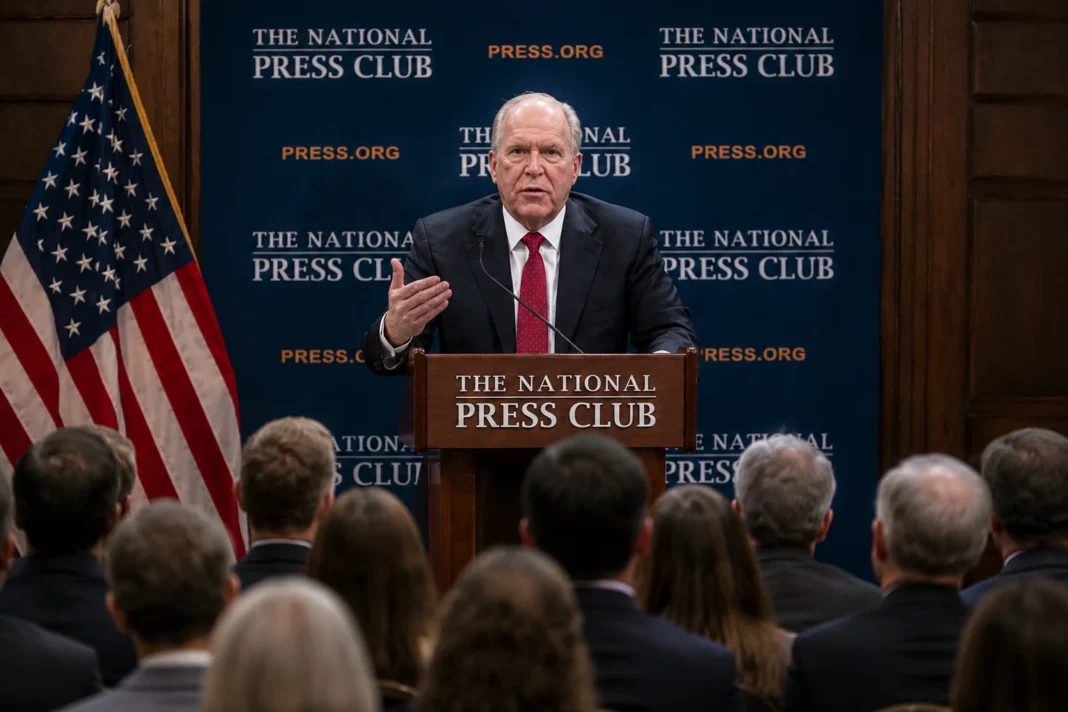

John Brennan is an American intelligence official who served in some of the highest national security positions in the United States government. He is best known for serving as Director of the Central Intelligence Agency (CIA) from 2013 to 2017. Over several decades, he built a long career in intelligence, counterterrorism, and public service. Many people search for John Brennan to learn about his background, career, leadership, and influence on U.S. national security. This article explains his life, professional journey, and legacy using simple, accurate, and easy-to-understand language for readers of all ages.
Who is John Brennan? A brief biography
| Field | Information |
|---|---|
| Full Name | John Owen Brennan |
| Known As | John Brennan |
| Date of Birth | September 22, 1955 |
| Place of Birth | North Bergen, New Jersey, United States |
| Nationality | American |
| Profession | Intelligence official, former CIA Director, national security analyst |
| Known For | Serving as the 22nd Director of the Central Intelligence Agency (CIA) from 2013 to 2017 under President Barack Obama. |
| Parents | Owen Brennan and Dorothy Brennan |
| Spouse | Kathy (Pokluda) Brennan |
| Children | Three children: Kyle, Kelly, and Jaclyn |
| Education | B.A. in Political Science from Fordham University (1977); M.A. in Government from the University of Texas at Austin (1980); also studied at the American University in Cairo. |
| Career | Joined the CIA in 1980, held several senior intelligence positions, served as Assistant to the President for Homeland Security and Counterterrorism (2009–2013), and became CIA Director (2013–2017). |
| Languages | Speaks Arabic. |
| Books | Undaunted: My Fight Against America’s Enemies, at Home and Abroad (2020). |
| Current Work | Senior intelligence and national security analyst for NBC News and MSNBC; Distinguished Fellow at Fordham University and advisor to several organizations. |
Who Is John Brennan?
John Brennan was born on September 22, 1955, in North Bergen, New Jersey, and grew up in a family that valued education and public service. He studied political science at Fordham University before earning a master’s degree in government with a focus on Middle Eastern studies. His academic background prepared him for a career involving international affairs and intelligence analysis. After completing his education, he joined the Central Intelligence Agency in 1980. That decision marked the beginning of a professional journey that would span more than three decades in national security.
During his early years at the CIA, John Brennan worked in intelligence analysis and overseas operations. His assignments allowed him to gain experience in understanding international threats, foreign governments, and global security issues. Colleagues recognized his dedication, analytical skills, and ability to manage complex responsibilities. Over time, he earned leadership positions that expanded his influence within the intelligence community. Readers interested in government careers may also enjoy our guide about intelligence agencies and our article explaining how national security organizations operate. Read More : Chuck Mangione: Life, Music, and Lasting Legacy
John Brennan’s Career at the CIA
John Brennan spent much of his career serving in different leadership positions within the Central Intelligence Agency. His work included intelligence collection, strategic planning, and advising senior government officials on national security matters. As he gained experience, he became responsible for overseeing operations that supported .
In 2013, John Brennan became Director of the CIA after being nominated by President Barack Obama and confirmed by the United States Senate. As director, he supervised intelligence operations, supported policymakers, and managed one of the world’s most well-known intelligence organizations. His leadership focused on adapting the agency to modern security threats, including terrorism and cyber challenges. During his tenure, the CIA continued expanding technological capabilities while working closely with intelligence partners both inside and outside the United States.
Leadership and National Security
John Brennan became widely known for his work in counterterrorism and national security policy. Throughout his government service, he advised presidents and senior officials on complex security issues affecting the United States and its allies. His experience included coordinating intelligence information from multiple agencies to support informed decision-making. This responsibility required careful analysis, strong communication, and collaboration across government departments. His leadership reflected the importance of combining intelligence expertise with practical policy recommendations during rapidly changing international situations.
National security leaders often face difficult decisions involving uncertain information and evolving threats. John Brennan’s career demonstrated how intelligence professionals gather information, evaluate risks, and provide advice without making final policy decisions themselves. Although intelligence work usually remains confidential, its impact influences many government actions involving diplomacy, defense, and public safety. Understanding this process helps readers appreciate the role intelligence agencies play in supporting elected leaders while protecting national interests in an increasingly connected world.
Major Achievements and Challenges
John Brennan achieved several important milestones during his long public service career. His leadership contributed to improving intelligence coordination, strengthening partnerships with allied countries, and expanding efforts against international terrorism. He also supported modernization within intelligence organizations by encouraging the use of advanced technology and improved information sharing. These initiatives reflected changing security needs during the twenty-first century. Many government experts recognize his commitment to strengthening the intelligence community through organizational development and professional leadership.
Like many senior public officials, John Brennan’s career also included challenges and public debate. Some intelligence policies during his time in government received praise from supporters while facing criticism from others. Questions about surveillance, counterterrorism programs, and intelligence oversight became subjects of ongoing public discussion. These debates demonstrate how national security decisions often involve balancing safety, privacy, and legal responsibilities. Understanding different viewpoints helps readers appreciate the complexity of leadership in intelligence and government service.

John Brennan After Government Service
After leaving government office in 2017, John Brennan remained active as a public speaker, author, and national security commentator. He frequently shared his views on intelligence, foreign policy, and global affairs through interviews, articles, and television appearances. His experience allowed him to explain complex security topics in ways that broader audiences could understand. Many universities, policy organizations, and public forums invited him to discuss leadership, intelligence, and international relations based on his decades of government experience.
John Brennan also published a memoir that explores his personal journey, intelligence career, and experiences in public service. The book provides readers with insight into how intelligence organizations operate while reflecting on leadership and decision-making. Although readers may hold different opinions about policy issues, many appreciate learning directly from someone who served at the highest levels of government. Those interested in modern history may also explore our articles about U.S. intelligence agencies and presidential national security advisors.
John Brennan’s Legacy
John Brennan’s legacy is closely connected to his decades of service within the American intelligence community. His career reflects a long commitment to national security, intelligence analysis, and government leadership. Supporters often highlight his experience, professionalism, and efforts to modernize intelligence operations during changing global conditions. His work also demonstrates the increasing importance of international cooperation when addressing threats that cross national borders. These contributions continue influencing discussions about intelligence and security policy today.
Historians and policy experts will likely continue studying John Brennan’s leadership because his career covered significant moments in modern American history. His experiences illustrate how intelligence professionals support government decision-making while adapting to evolving technologies and international challenges. Regardless of political perspectives, his role remains an important part of the history of U.S. intelligence. Learning about his career helps readers better understand the responsibilities, opportunities, and challenges associated with public service in national security organizations.
Why People Continue Searching for John Brennan
People continue searching for John Brennan because of his long career in intelligence and his continued presence in public discussions about national security. Students, researchers, journalists, and general readers often seek reliable information about his background, professional achievements, and leadership roles. His experience at the highest levels of government makes him an important figure when studying intelligence organizations and modern foreign policy. Educational resources help readers understand his career without relying on speculation or incomplete information.
Interest in John Brennan also continues because national security remains an important global topic. His interviews, public appearances, and published writings provide insight into intelligence work and international affairs from the perspective of a former senior official. As new security challenges emerge, many readers return to his analysis to better understand changing events. His professional journey remains valuable for anyone interested in government leadership, intelligence history, and public service.
Frequently Asked Questions
1. Who is John Brennan?
John Brennan is an American intelligence official who served as Director of the Central Intelligence Agency (CIA) from 2013 to 2017 after a long career in U.S. intelligence and national security.
2. What is John Brennan known for?
He is best known for leading the CIA and serving as a senior advisor on intelligence and counterterrorism matters during the administration of President Barack Obama.
3. Did John Brennan work at the CIA before becoming director?
Yes. John Brennan joined the CIA in 1980 and served in many intelligence and leadership positions before becoming the agency’s director in 2013.
4. What did John Brennan do after leaving government?
After leaving public office, John Brennan became an author, public speaker, and national security commentator, sharing his experience through interviews, books, and educational events.
5. Why is John Brennan important?
John Brennan is important because of his decades of leadership in U.S. intelligence, his contributions to national security, and his influence on discussions about counterterrorism and intelligence policy.
Conclusion
John Brennan devoted much of his professional life to intelligence, national security, and public service. From his early years at the CIA to serving as its director, he played a significant role during important moments in modern American history. His leadership, experience, and public contributions continue shaping discussions about intelligence and government policy. Whether readers are studying national security, leadership, or public administration, his career offers valuable lessons about responsibility, decision-making, and service. Continue exploring our related articles about intelligence history, government leadership, and international affairs to deepen your understanding of these important topics.