
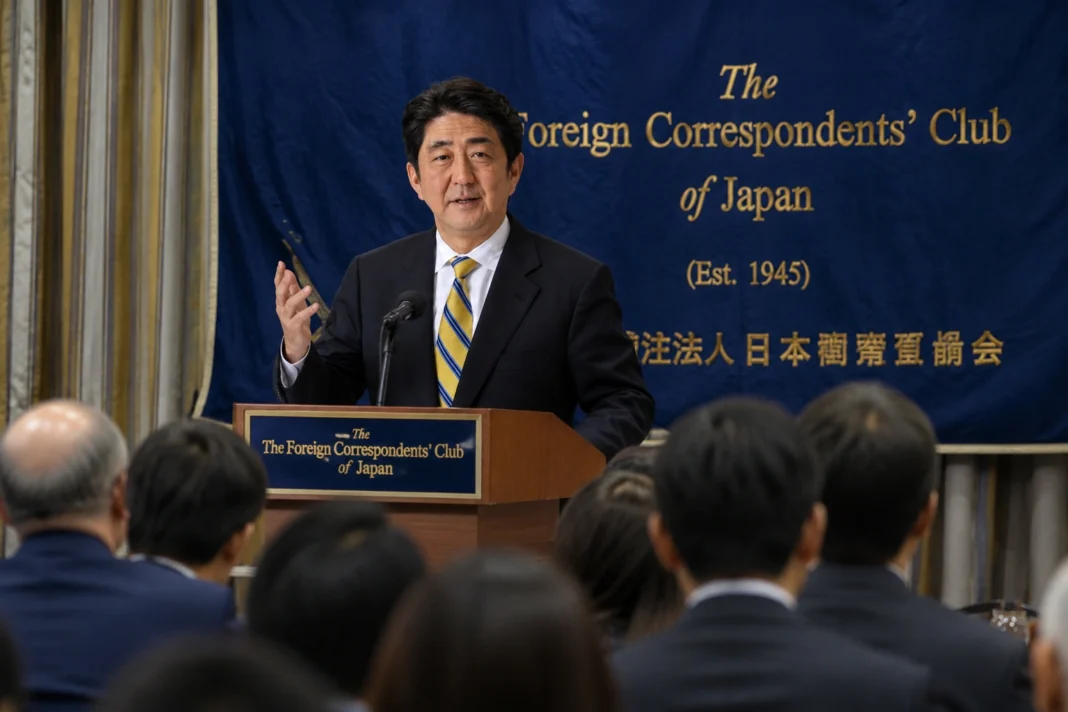

The shinzo abe gun became a widely searched topic after the assassination of former Japanese Prime Minister Shinzo Abe in July 2022. Many people want to understand what happened, why the attack shocked Japan, and how it changed discussions about public safety. This article explains the event using reliable, publicly known information. It also explores Japan’s strict firearm laws, the investigation, and the broader social impact. If you are looking for a simple, factual explanation, this guide provides clear answers while avoiding rumors or misleading claims. It also suggests related topics you may wish to explore for deeper background.
Who is Shinzo Abe? A brief biography
| Field | Information |
|---|---|
| Full Name | Shinzo Abe |
| Native Name | 安倍 晋三 (Abe Shinzō) |
| Date of Birth | September 21, 1954 |
| Place of Birth | Shinjuku, Tokyo, Japan |
| Date of Death | July 8, 2022 |
| Age at Death | 67 years |
| Nationality | Japanese |
| Profession | Politician and Statesman |
| Political Party | Liberal Democratic Party (LDP) |
| Famous For | Serving as the longest-serving Prime Minister in Japan’s history |
| Prime Minister Terms | 2006–2007 and 2012–2020 |
| Education | Bachelor’s degree in Political Science, Seikei University |
| Spouse | Akie Abe |
| Father | Shintaro Abe |
| Grandfather | Nobusuke Kishi (Former Prime Minister of Japan) |
| Major Policy | “Abenomics” economic reform program |
| Reason for Leaving Office | Resigned in 2020 due to health problems (ulcerative colitis) |
| Death Cause | Assassinated during a campaign speech in Nara, Japan, on July 8, 2022 |
| Legacy | Widely recognized as Japan’s longest-serving Prime Minister and an influential figure in modern Japanese politics. |
What Does the Shinzo Abe Gun Keyword Mean?
The phrase shinzo abe gun usually refers to the weapon involved in the attack on Shinzo Abe during a campaign speech in Nara, Japan, on July 8, 2022. People searching this keyword often want reliable information about the incident rather than technical details about firearms. Understanding the context is important because the event was unusual in Japan, where firearm-related violence is extremely rare. News reports from around the world covered the assassination, making it one of the most significant international stories of that year.
The topic also raises questions about security, public events, and the challenges of protecting political leaders. Many readers are interested in learning how such an attack happened despite Japan’s strict gun regulations. Instead of focusing on the weapon itself, it is more helpful to understand the circumstances surrounding the event and the official investigation. You may also find value in reading related articles about Shinzo Abe’s political legacy and Japan’s firearm laws for a broader understanding of the subject. Read More : Strait of Hormuz News: Latest Updates and Global Impact
The Events of July 8, 2022
On July 8, 2022, Shinzo Abe was delivering a campaign speech in the city of Nara ahead of Japan’s upper house election. During the public appearance, he was attacked and later died from his injuries despite receiving emergency medical treatment. The incident shocked people across Japan and around the world because political violence is very uncommon in the country. Leaders from many nations expressed condolences, while citizens gathered to remember Abe and reflect on his long career in public service.
The attack immediately led to a major police investigation and extensive media coverage. Authorities arrested a suspect at the scene, and investigators worked to understand the motive behind the crime. The case prompted reviews of security planning for public officials and campaign events throughout Japan. It also encouraged discussions about balancing open political engagement with stronger protective measures. Readers interested in the investigation may also explore the official timeline of the assassination and Japan’s political history for additional context.
Why the Incident Shocked Japan
Japan has some of the strictest firearm regulations in the world, and gun-related crimes occur far less frequently than in many other countries. Because of this, the assassination surprised both Japanese citizens and international observers. Public campaign speeches are generally open and accessible, reflecting a culture that values close interaction between political leaders and voters. The attack challenged long-held assumptions about public safety and political security in Japan.
The incident also had a strong emotional impact because Shinzo Abe was one of Japan’s best-known modern political figures. He served multiple terms as prime minister and remained influential even after leaving office. His death prompted national mourning, memorial services, and widespread discussion about protecting democratic institutions. Many people viewed the event not only as a personal tragedy but also as an important moment in Japan’s modern history, leading to lasting conversations about public trust and national security.
Investigation and Official Findings
After the attack, Japanese authorities conducted a detailed investigation to understand the suspect’s actions, background, and possible motivations. Investigators gathered physical evidence, interviewed witnesses, and reviewed security arrangements surrounding the campaign event. Officials publicly shared verified information while continuing legal procedures. News organizations relied on statements from investigators and government agencies to provide updates, helping reduce misinformation during a highly emotional period.
The investigation also examined how security measures could be improved for future public appearances. Reviews identified areas where planning and coordination might be strengthened without preventing political leaders from meeting citizens directly. Government agencies later introduced recommendations designed to improve risk assessments and event protection. Rather than focusing only on the crime itself, many experts emphasized learning practical lessons that could reduce similar risks while preserving open democratic participation in public life.
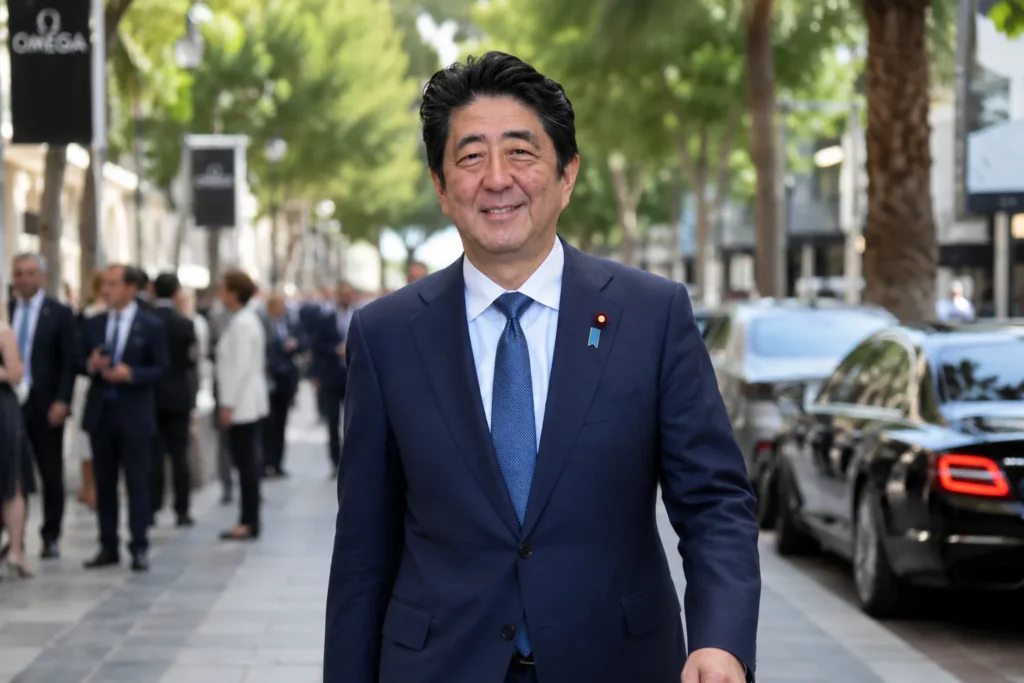
Japan’s Gun Laws and Public Safety
Japan is widely recognized for having very strict firearm regulations. People who wish to legally own certain firearms must meet demanding legal requirements, complete background checks, and follow extensive safety rules. These policies contribute to relatively low levels of gun-related violence compared with many other countries. Because of these longstanding regulations, the assassination attracted extraordinary international attention and prompted many questions about how such an attack became possible.
The event reminded governments and security experts that no system can completely eliminate risk. Public safety depends on many factors, including careful planning, intelligence gathering, and effective event security. Following the assassination, discussions expanded beyond firearm laws to include emergency response, communication, and protective strategies for political campaigns. These broader conversations continue to influence security planning while respecting democratic traditions and public access to elected officials.
Shinzo Abe’s Political Legacy
Shinzo Abe remains one of Japan’s most influential modern leaders. During his time in office, he focused on economic reforms, international partnerships, and strengthening Japan’s global role. His policies, often discussed under the term “Abenomics,” attracted attention from economists, political analysts, and world leaders. Even years after leaving office, his ideas continue to shape debates about Japan’s future and international relations.
Following his death, many governments and organizations honored his contributions through official statements and memorial events. Supporters praised his leadership, while critics continued to debate his policies, reflecting the normal diversity of democratic opinion. Regardless of political views, historians generally agree that Abe played a major role in shaping modern Japanese politics. Readers seeking additional context may also enjoy articles covering Abenomics explained and Japan’s recent political history.
Media Coverage and Public Interest
The shinzo abe gun keyword continues to receive attention because people want clear and trustworthy information about a globally significant event. Search interest often increases when documentaries, anniversary reports, or new legal developments appear in the news. Reliable reporting remains essential because misinformation can spread quickly after major incidents. Reading information from established news organizations and official sources helps readers better understand complex events.
Public curiosity also reflects broader interest in Japan’s society, politics, and security systems. Many people begin by searching for the incident itself before exploring related topics about Shinzo Abe’s leadership, Japanese elections, and public safety policies. Educational articles that explain the historical context provide greater value than sensational headlines. Understanding the wider picture helps readers appreciate why this event continues to be discussed years after it occurred.
Frequently Asked Questions
1. What does the term “shinzo abe gun” refer to?
It usually refers to the weapon involved in the assassination of former Japanese Prime Minister Shinzo Abe on July 8, 2022. Most searches seek factual information about the event, investigation, and its impact rather than technical details.
2. Where did the attack happen?
The attack occurred during a public campaign speech in Nara, Japan. Shinzo Abe was speaking in support of election candidates when the incident took place, drawing immediate national and international attention.
3. Why was the event considered unusual?
Japan has very strict firearm regulations and experiences relatively few gun-related crimes. Because of this, the assassination was widely viewed as an extraordinary and deeply shocking event across the country.
4. Did the incident change security policies?
Yes. Authorities reviewed security procedures for public officials and campaign events. These reviews led to recommendations aimed at improving protection while maintaining public access to political leaders.
5. Why is this topic still widely searched?
People continue searching because Shinzo Abe was a major international political figure. Anniversary coverage, documentaries, and discussions about security, politics, and Japan’s modern history keep public interest strong.
Conclusion
The shinzo abe gun keyword represents far more than a search about a weapon. It reflects global interest in a tragic event that changed discussions about political security, public safety, and modern Japanese history. Understanding the facts helps separate reliable information from speculation while providing important historical context. Shinzo Abe’s leadership and the impact of his assassination continue to influence political conversations around the world. If you want to learn more, consider reading related articles about Shinzo Abe’s political career, Japan’s firearm laws, and Japan’s modern political history to gain a broader understanding of this significant event.