
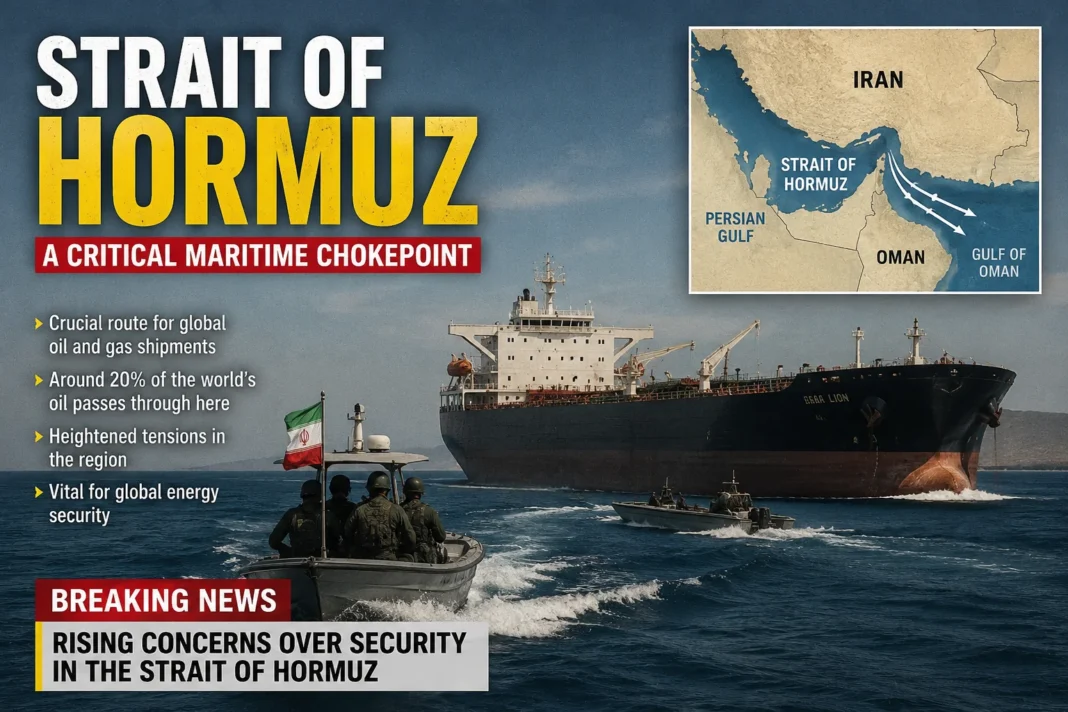

Strait of Hormuz news remains one of the most searched global topics because this narrow waterway plays a vital role in international trade and energy supplies. Every major development can influence oil prices, shipping routes, financial markets, and regional security. Governments, businesses, and everyday consumers closely watch events because changes in the region often affect fuel costs and the global economy. Recent reports highlight increased geopolitical tensions, maritime security concerns, and continued international attention on safe navigation through the strait. Understanding these developments helps readers better follow world events and recognize why this strategic passage remains important today.
Why the Strait of Hormuz Is So Important
The Strait of Hormuz connects the Persian Gulf with the Gulf of Oman and the Arabian Sea. Although the waterway is relatively narrow, it carries a significant share of the world’s seaborne oil and liquefied natural gas. Tankers transporting energy from Gulf countries pass through this route every day before reaching customers across Asia, Europe, and other regions. Because of this role, any disruption immediately attracts worldwide attention. Businesses, governments, and energy companies carefully monitor conditions to reduce risks and maintain stable supplies for international markets. This strategic importance explains why global media frequently cover the region.
The importance of the strait goes beyond oil transportation. It also supports international shipping, regional trade, and global economic stability. Safe navigation benefits importing and exporting countries alike because delayed shipments can increase transportation costs and affect supply chains. International organizations and maritime authorities regularly encourage peaceful cooperation to keep commercial routes secure. Many analysts also examine developments in this area to understand broader geopolitical trends. Readers interested in global energy markets, maritime security, and international trade can explore those related topics for a deeper understanding of how the region affects worldwide commerce.
Strait of Hormuz news
Recent Strait of Hormuz news has focused on heightened regional tensions and concerns about shipping safety. International reports describe increased military activity, diplomatic statements, and renewed attention to freedom of navigation. These developments have raised concerns among shipping companies and energy markets because uncertainty often increases transportation risks. Maritime organizations continue advising vessel operators to complete careful risk assessments before entering affected waters. Governments are also monitoring the situation closely while encouraging diplomatic efforts to reduce tensions and maintain stability throughout the region.
News coverage also highlights how quickly events around the Strait of Hormuz can influence global financial markets. Oil prices often react immediately whenever investors fear possible shipping disruptions or regional conflict. Energy traders closely follow official announcements, shipping activity, and diplomatic negotiations before making market decisions. Although situations can change rapidly, experts generally encourage relying on verified information instead of rumors or unconfirmed reports. Trusted reporting helps businesses and the public better understand ongoing developments while avoiding unnecessary speculation during periods of uncertainty. Read More : Eric Adams: Leadership, Policies, and Public Service
Impact on Global Oil Markets
The Strait of Hormuz remains one of the world’s most important energy corridors because millions of barrels of crude oil pass through it daily. Even small disruptions can influence international oil prices, transportation costs, and fuel expenses. When uncertainty increases, traders often expect possible supply interruptions, leading to price changes in global markets. These market reactions can eventually affect gasoline prices, shipping expenses, manufacturing costs, and household budgets. As a result, developments in this region receive close attention from governments, investors, and businesses around the world.
Natural gas markets may also respond when security concerns increase in the region. Several Gulf countries export liquefied natural gas through the Strait of Hormuz, making uninterrupted shipping essential for international customers. If delays occur, importing countries may seek alternative suppliers or adjust energy strategies. Financial markets often respond alongside energy prices because investors evaluate possible economic impacts. Understanding these relationships helps readers see why global headlines frequently connect Strait of Hormuz developments with broader discussions about inflation, energy security, and international trade.
Shipping and Maritime Security
Commercial shipping companies place great importance on maritime safety when operating near the Strait of Hormuz. Vessel operators regularly review security updates, weather conditions, navigation guidance, and official advisories before entering the area. International maritime organizations continue emphasizing that protecting crews and civilian shipping should remain the highest priority. Careful voyage planning and realistic risk assessments help reduce operational risks during periods of heightened regional tension. These safety measures are essential because the waterway remains one of the busiest shipping routes in the world.
International cooperation also plays an important role in maintaining safe navigation. Governments, naval forces, shipping companies, and maritime organizations often exchange information to improve situational awareness and support commercial traffic. While security conditions may change quickly, coordinated communication helps reduce misunderstandings and improve operational planning. Shipping companies also monitor insurance costs, routing options, and official guidance before making business decisions. Readers interested in shipping industry trends or global logistics updates may find those related topics useful for understanding how maritime transportation supports the global economy.
Why Global Markets Watch Every Update
Financial markets closely monitor every major Strait of Hormuz development because uncertainty can affect investor confidence. Stock markets, currency markets, and commodity exchanges sometimes respond within hours of important announcements.
Central banks, economists, and international organizations also study developments in the region because stable energy supplies support economic growth. If shipping disruptions become prolonged, businesses may face increased production costs and slower deliveries. However, markets also respond positively when diplomatic progress reduces tensions and improves confidence. Investors therefore pay close attention to both political developments and official maritime updates.
Regional Politics and International Response
Regional governments continue discussing security, diplomacy, and freedom of navigation as important priorities. International partners often encourage dialogue because peaceful cooperation benefits global trade and economic stability. Diplomatic negotiations remain an important tool for reducing tensions and preventing misunderstandings.
International organizations also encourage shipping companies to follow official safety guidance and remain alert to changing conditions. Maritime authorities regularly publish updates that help vessel operators make informed navigation decisions.
How to Follow Reliable Strait of Hormuz News
Following trusted news sources is the best way to stay informed about changing events in the Strait of Hormuz.
Readers should also pay attention to official maritime advisories rather than relying only on social media discussions. Verified information usually includes statements from government agencies, shipping authorities, or international organizations responsible for maritime safety. These sources explain confirmed developments instead of rumors or speculation.
Frequently Asked Questions
1. Why is the Strait of Hormuz important?
The Strait of Hormuz is one of the world’s most important shipping routes because a large share of global oil and liquefied natural gas exports passes through it. Any disruption can affect international energy supplies and global markets.
2. Why does Strait of Hormuz news affect oil prices?
Oil prices often respond to concerns about supply disruptions. If shipping through the strait faces increased risks, markets may expect lower supply availability, causing prices to move higher or become more volatile.
3. Who monitors shipping in the Strait of Hormuz?
National governments, maritime authorities, international organizations, shipping companies, and naval forces all monitor conditions to support safe navigation and provide updated security guidance for commercial vessels.
4. Can global trade be affected by events in the Strait of Hormuz?
Yes. Shipping delays or security concerns may increase transportation costs, affect energy deliveries, and influence international supply chains, making the region important for the global economy.
5. Where can I find reliable Strait of Hormuz news?
Reliable updates are available through respected international news organizations, official government announcements, maritime authorities, and recognized research institutions that verify information before publication.
Conclusion
The Strait of Hormuz continues to be one of the world’s most closely watched maritime regions because it directly influences global energy supplies, shipping, and financial markets. Recent developments show why governments, businesses, and investors carefully monitor changing conditions and diplomatic efforts.