
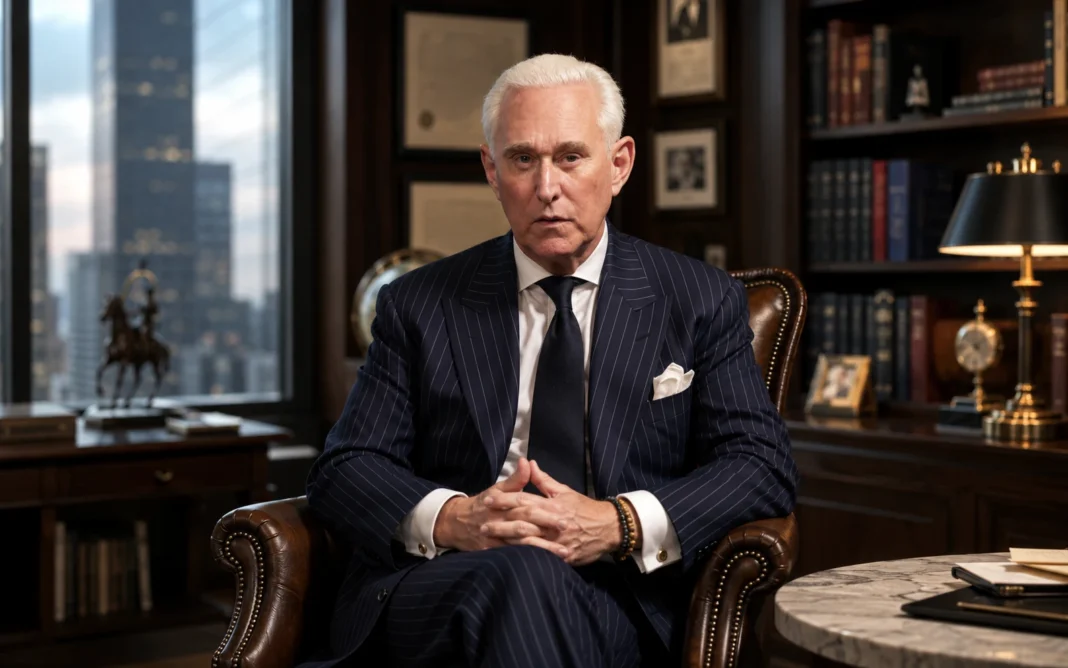

Roger Stone is one of the most recognized political consultants in the United States. He has worked on many political campaigns over several decades and remains a well-known public figure. Some people admire his political strategy, while others criticize his methods and public statements. His long career includes campaign consulting, media appearances, books, and legal challenges that have kept him in the public eye. Understanding his life helps readers learn more about modern American politics and political communication. This guide explains his background, career, achievements, controversies, and influence using clear, accurate, and easy-to-understand information.
Who is Roger Stone? A brief biography
| Field | Information |
|---|---|
| Full Name | Roger Jason Stone Jr. (born Roger Joseph Stone Jr.) |
| Known As | Roger Stone |
| Date of Birth | August 27, 1952 |
| Place of Birth | Norwalk, Connecticut, United States |
| Nationality | American |
| Occupation | Political consultant, lobbyist, political strategist, author |
| Education | Attended George Washington University |
| Known For | Advising Republican political campaigns and serving as a longtime political consultant associated with several U.S. politicians, including Donald Trump. |
| Political Affiliation | Primarily Republican (with a period of Libertarian affiliation from 2012–2015). |
| Spouse(s) | Ann Stone (m. 1974–1990, divorced); Nydia Bertran Stone (m. 1991–present) |
| Children | One child |
| Notable Works | Get Me Roger Stone (2017 documentary), The Stone Zone (2023), and several political books. |
Who Is Roger Stone?
Roger Stone is an American political consultant, strategist, author, and public speaker. He became involved in politics at a young age and later worked with several Republican campaigns. Throughout his career, he earned a reputation for using bold campaign strategies and attracting media attention. Because of his distinctive style, he became one of the most recognizable political figures outside elected office. His work has influenced discussions about campaign messaging, political branding, and election strategy. Readers interested in political history may also enjoy exploring related topics such as American political consultants and modern election campaigns.
Stone was born on August 27, 1952, in Norwalk, Connecticut. His interest in politics started during his school years and continued through college. Over time, he built connections with political leaders and campaign organizations. His career expanded from campaign work to television interviews, books, and public events. Although opinions about him differ widely, few people deny his lasting impact on political communication. His story reflects both the opportunities and challenges of working in highly competitive political environments where public attention and strategy often shape election outcomes. Read More : Courtney Kennedy Hill: Life, Family, and Public Interest
Early Life and Education
Roger Stone grew up in a family that encouraged learning and public awareness. During his teenage years, he became interested in political campaigns and current events. This early curiosity inspired him to study how elections worked and how candidates communicated with voters. Instead of waiting until adulthood, he actively followed political developments and gained practical experience. Those early lessons helped build the foundation for his future career. His willingness to learn from real campaigns allowed him to understand political messaging from an unusually young age.
After finishing school, Stone attended college, although his greatest education came from practical political work. He focused on understanding campaigns, voter behavior, and communication strategies. By observing experienced consultants, he developed skills that later defined his professional career. His early experiences showed that political success often depends on organization, planning, and persuasive communication. Many analysts believe these years shaped his confidence and distinctive consulting style. They also explain why he became involved with important political campaigns earlier than many other political professionals.
Roger Stone’s Political Career
Roger Stone worked on campaigns connected to several Republican candidates over many decades. His consulting career covered local, state, and national politics, allowing him to gain broad experience. He became known for promoting memorable campaign messages and understanding media attention. Supporters often described him as creative and fearless, while critics viewed his tactics differently. Regardless of those opinions, his campaign work became part of many discussions about modern American political strategy. His influence extended beyond elections through television appearances and political commentary.
Throughout different stages of his career, Stone also advised organizations, wrote opinion pieces, and participated in public debates. His books discussed politics, campaign strategy, and historical figures, giving readers insight into his personal viewpoints. Because he remained active in media interviews, he continued influencing political conversations even outside election seasons. Those interested in campaign communication may also find value in reading about political marketing techniques and American election history. These related topics provide useful context for understanding his professional approach and public reputation.
Political Strategy and Public Image
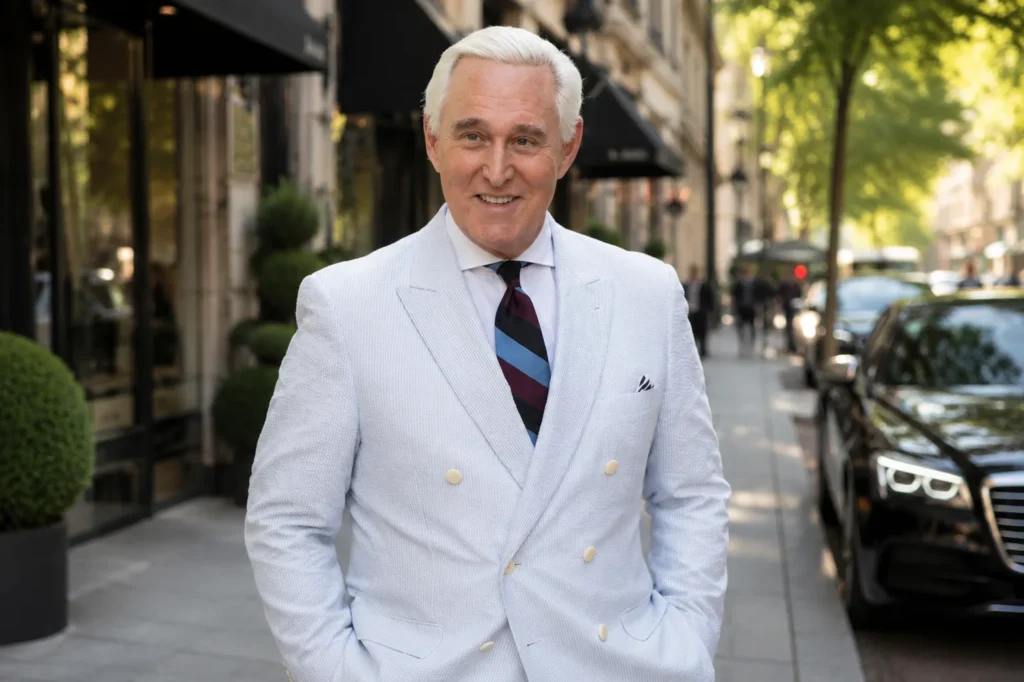
Roger Stone built a public image unlike most political consultants. He often appeared in distinctive clothing and embraced media attention instead of avoiding controversy. This recognizable style helped increase public awareness of his work. Many journalists covered his interviews because he frequently shared direct opinions and memorable statements. His communication style reflected his belief that strong public messaging could shape political discussions. As a result, he became known not only for campaign consulting but also for maintaining a powerful personal brand.
Political experts often study Stone because he demonstrated how media exposure can influence public recognition. Whether appearing on television, speaking at events, or publishing books, he consistently presented himself with confidence. Some observers believe this visibility strengthened his influence, while others argue it increased political division. Even so, his communication methods remain important examples in discussions about political branding. Students researching campaign strategy frequently examine his career alongside broader developments in political media, public relations, and voter engagement techniques.
Legal Challenges and Public Controversies
Roger Stone’s career has included significant legal challenges that received widespread national attention. In 2019, he faced federal criminal charges related to congressional investigations involving the 2016 United States presidential election. He was later convicted on several counts, including obstruction, witness tampering, and making false statements. These legal proceedings generated extensive media coverage and public debate. Supporters questioned aspects of the investigation, while critics argued the legal process demonstrated accountability. The case became one of the most discussed political legal stories of its time.
In 2020, President Donald Trump commuted Stone’s prison sentence before he reported to prison. Later, he received a full presidential pardon. These decisions sparked additional public discussion about executive powers and presidential pardons. Regardless of political opinions, these events became important chapters in Stone’s public life. They also influenced conversations about justice, political investigations, and constitutional authority. Understanding these legal developments provides a more complete picture of his career and explains why he continues to attract significant public attention.
Books, Media, and Public Speaking
Beyond political consulting, Roger Stone has written several books discussing politics, historical events, and campaign experiences. His publications present his personal opinions and interpretations of political developments. Many readers purchase these books to better understand his perspective on American politics. Although opinions differ regarding his conclusions, the books remain part of his broader public career. Writing allowed him to reach audiences interested in political history, campaign strategy, and government. His published work continues contributing to discussions among supporters, critics, and political researchers.
Stone has also appeared on television programs, podcasts, radio interviews, and speaking events across the United States. These appearances helped him remain active in political conversations long after individual campaigns ended. Public speaking gave him opportunities to explain his ideas directly to audiences and respond to current political events. His media presence demonstrates how consultants can become influential public personalities. Readers exploring similar subjects may also enjoy related content covering American political history and campaign communication strategies to expand their understanding of the field.
Roger Stone’s Lasting Influence
Roger Stone continues to influence discussions about political consulting, campaign messaging, and media strategy. Supporters believe his creative methods changed how campaigns communicate with voters. Others argue his controversial style reflects growing political polarization. Despite these differing opinions, his career remains an important case study for students, journalists, and political observers. His work illustrates how communication, branding, and public perception interact during elections. Understanding these lessons helps readers better evaluate modern political campaigns and the people who help shape them behind the scenes.
His legacy extends beyond individual elections because his career spans several decades of changing political environments. During that time, campaign technology, television, digital media, and social platforms transformed political communication. Stone adapted to many of these changes while maintaining his distinctive public identity. Researchers continue examining his influence when studying campaign consulting and political messaging. Whether viewed positively or critically, his career demonstrates how political strategists can affect public debate without holding elected office themselves.
Frequently Asked Questions
1. Who is Roger Stone?
Roger Stone is an American political consultant, strategist, author, and media personality. He has worked on Republican political campaigns for decades and is known for his distinctive communication style, political consulting, and public commentary.
2. Why is Roger Stone famous?
He is famous for his long political consulting career, involvement in major Republican campaigns, media appearances, published books, and widely reported legal cases connected to investigations surrounding the 2016 U.S. presidential election.
3. Did Roger Stone write any books?
Yes. Roger Stone has written several books covering politics, campaign strategy, historical topics, and his personal political views. His publications remain popular among readers interested in American political history.
4. What legal issues did Roger Stone face?
Stone was convicted in 2019 on federal charges related to congressional investigations. In 2020, his prison sentence was commuted by President Donald Trump, and he later received a full presidential pardon.
5. Why do people still discuss Roger Stone?
People continue discussing Roger Stone because of his influence on political consulting, his media presence, his campaign strategies, and his role in several significant political and legal events in recent American history.
Conclusion
Roger Stone remains one of the most recognized and debated political consultants in modern American history. His long career includes campaign strategy, media appearances, published books, and widely discussed legal events. Supporters and critics often disagree about his methods, yet both acknowledge his influence on political communication. Learning about his life provides valuable insight into campaign strategy, public messaging, and American politics. If you want to understand modern elections more deeply, continue exploring related guides on political consultants, election campaigns, and American political history to build a broader understanding of the subject.